Foreword
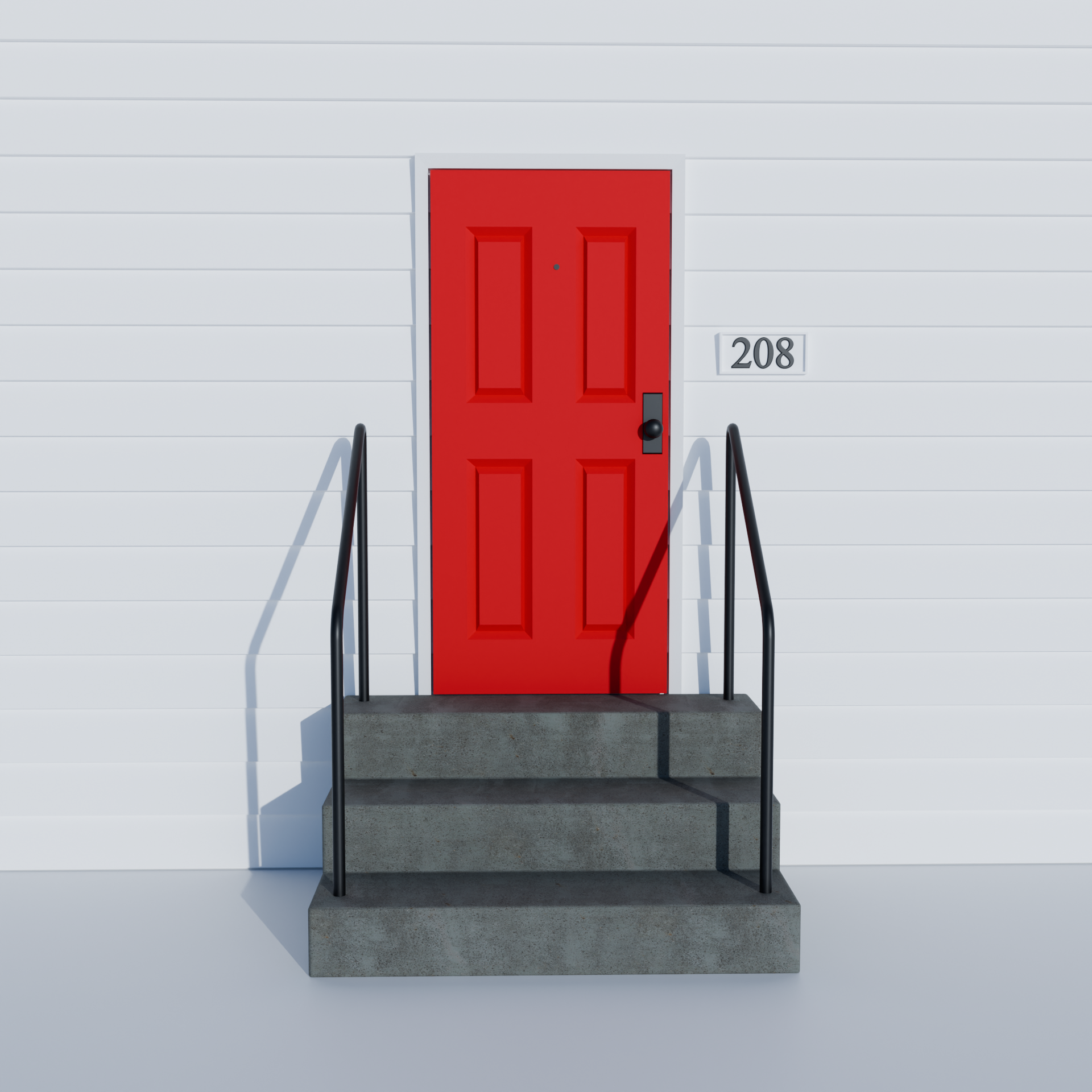
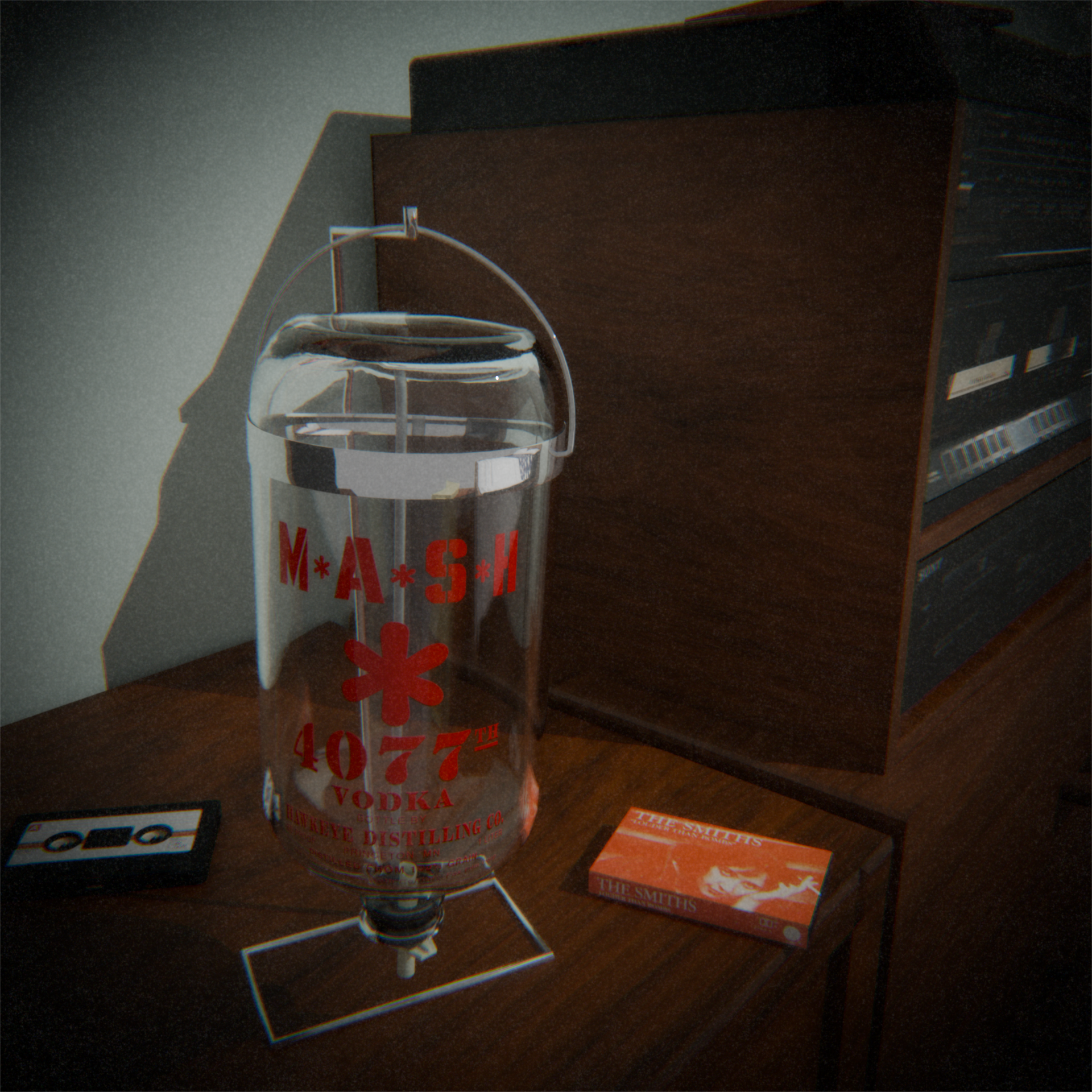
Cover of 208 Chippewa Street
Circa 1987, I was in the middle of a life overwhelmed by dysfunctional family dynamics, traumatic moments, childhood neglect, and family abuse. In my mid-teens, I suddenly found myself seemingly even more isolated with my mother and stepfather as I was transported to Central Minnesota.
After my sister had a baby, she moved in with friends in California; my brother joined the Air Force, and my young self, in the absence of the Southern California drug culture I grew up in, was clearly out of my element and learning to navigate a new, more socialized and homogenized environment.
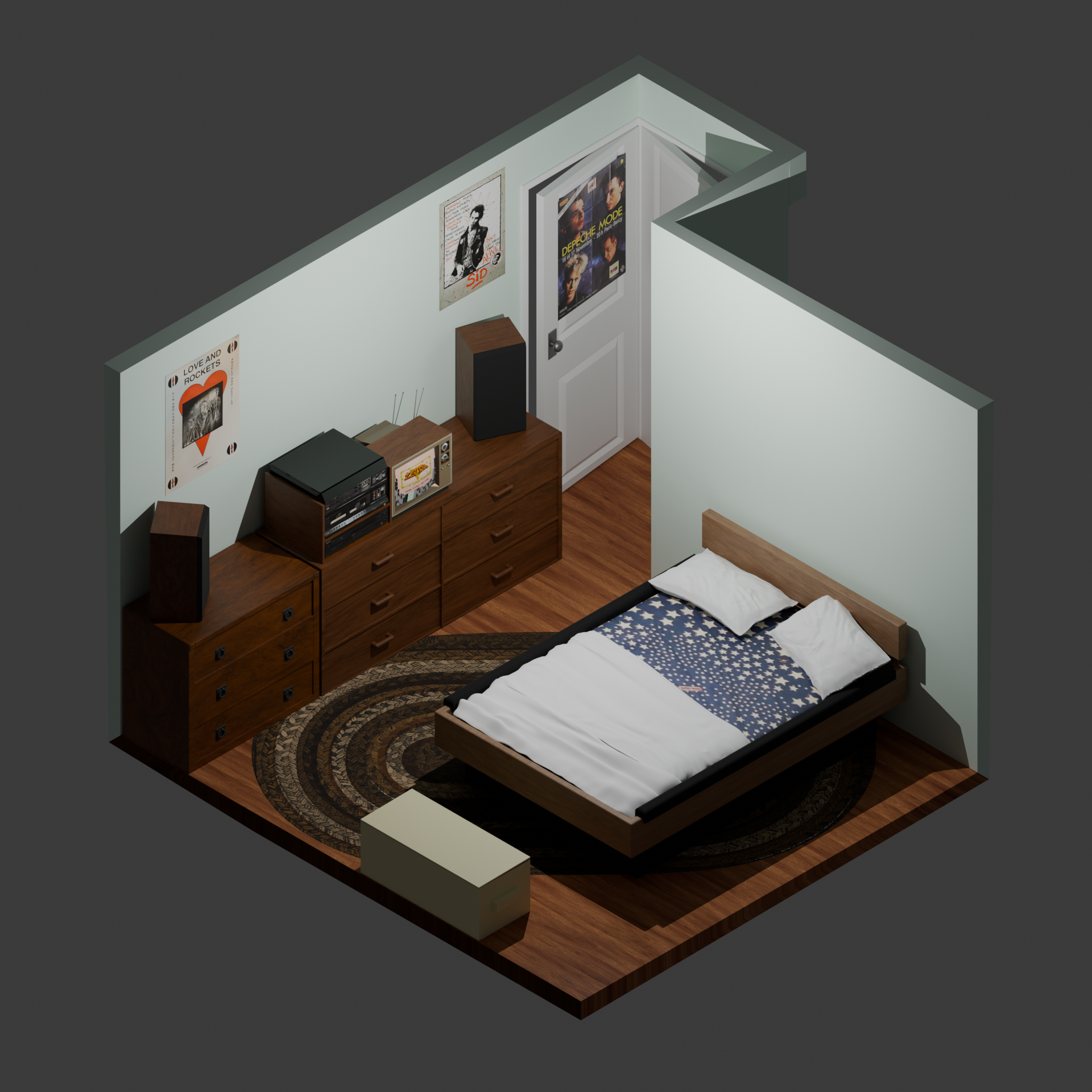
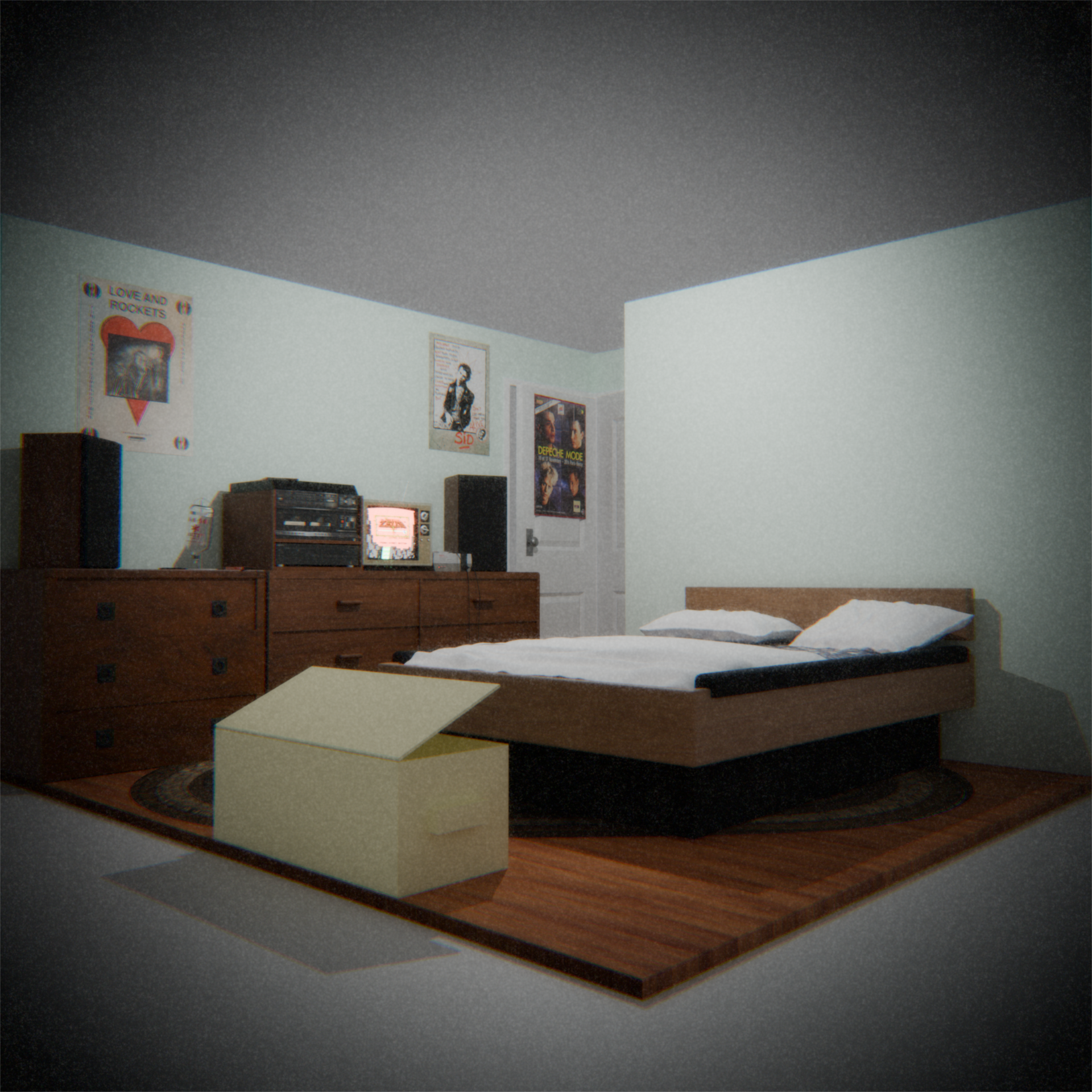
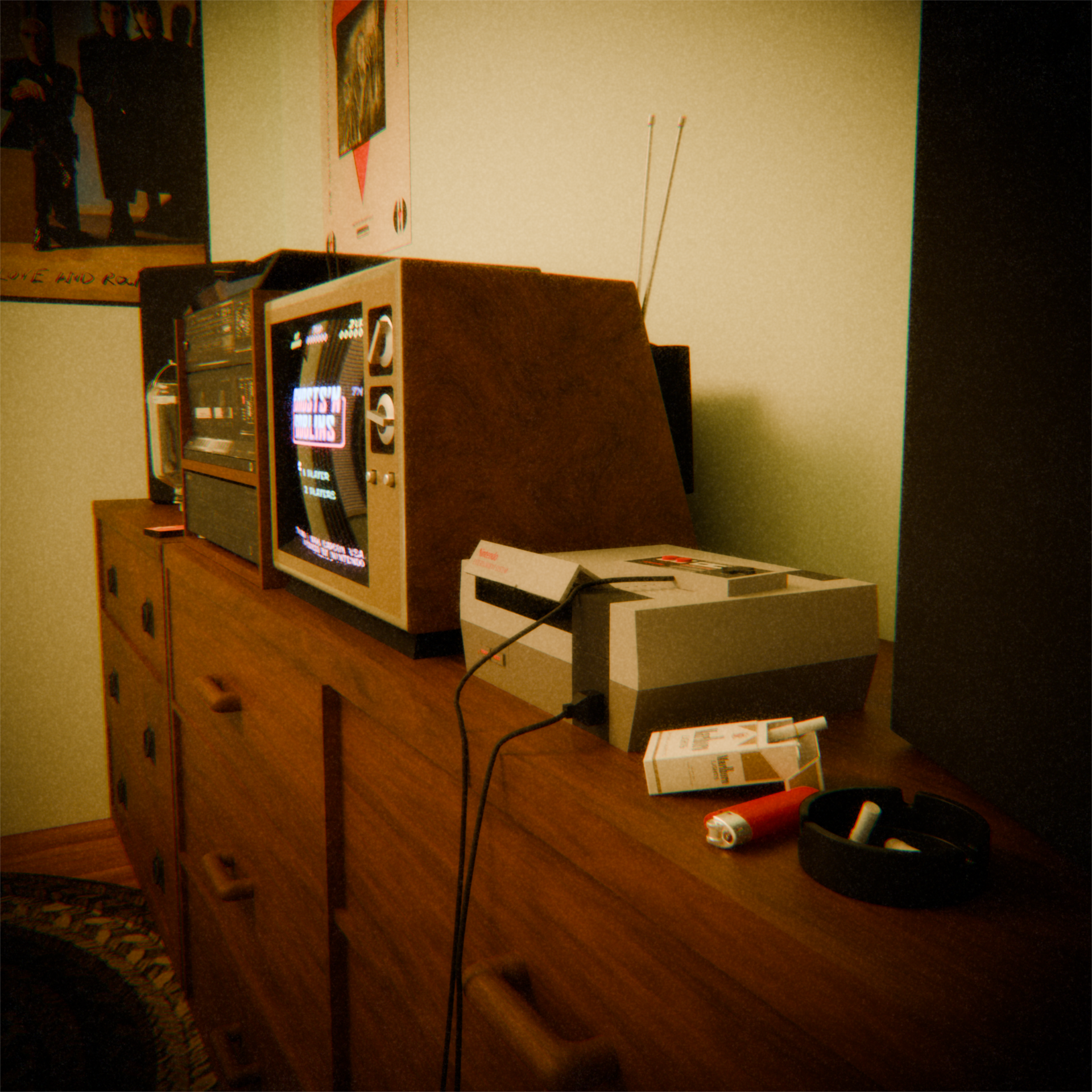
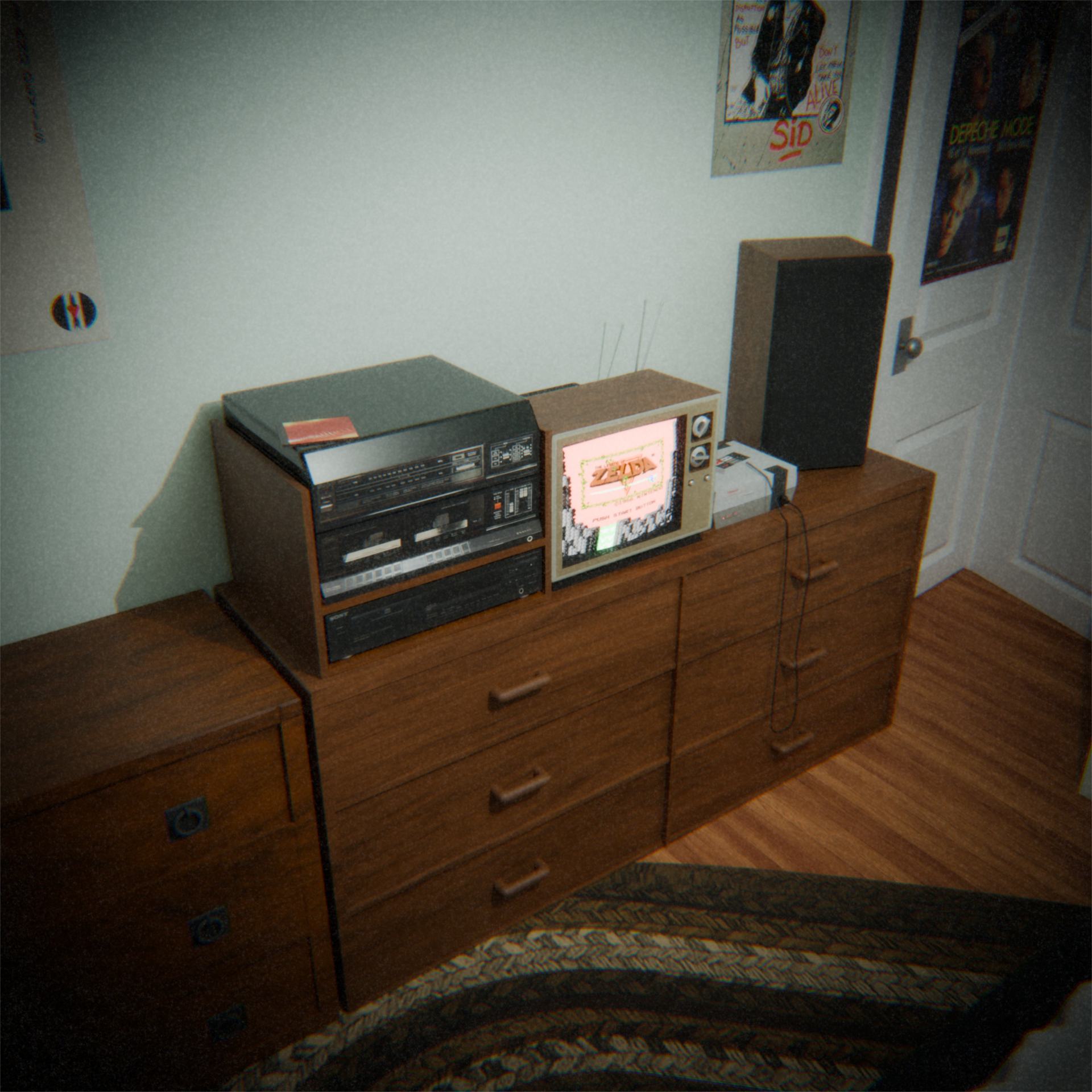
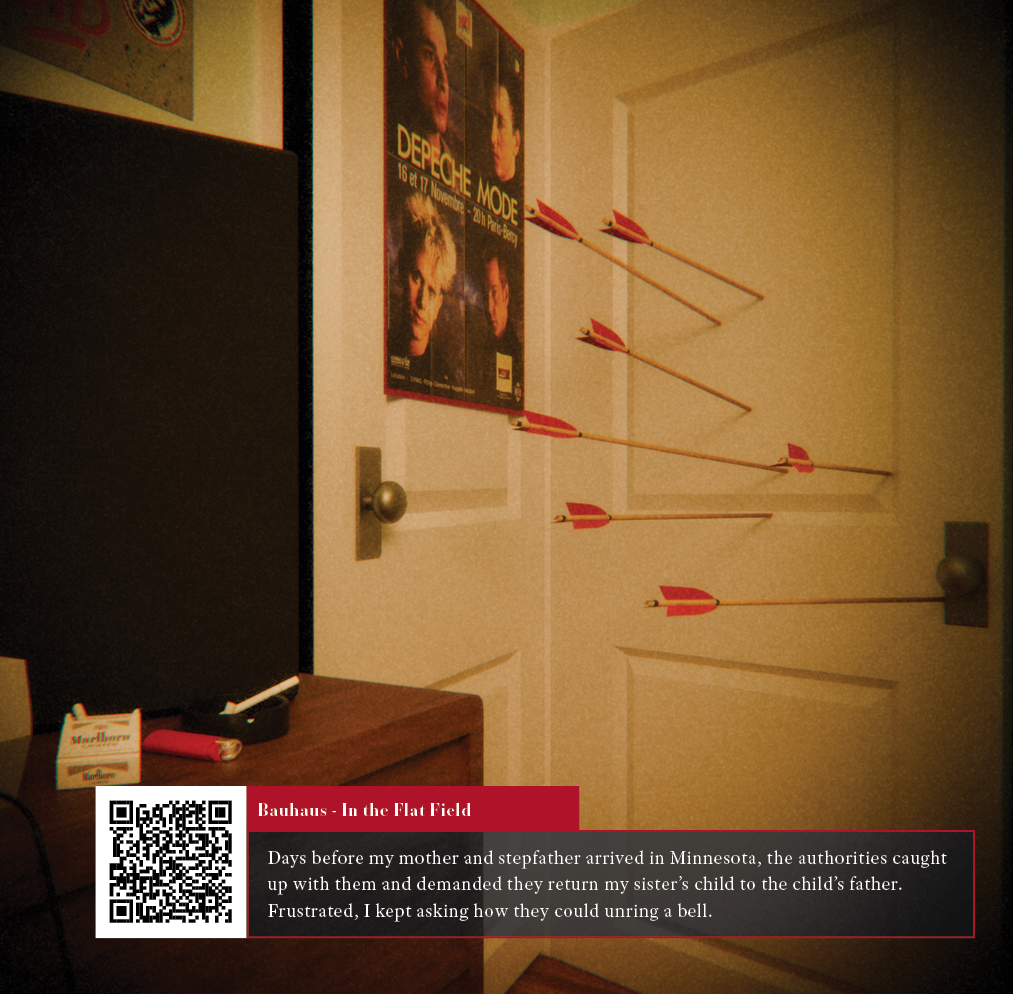
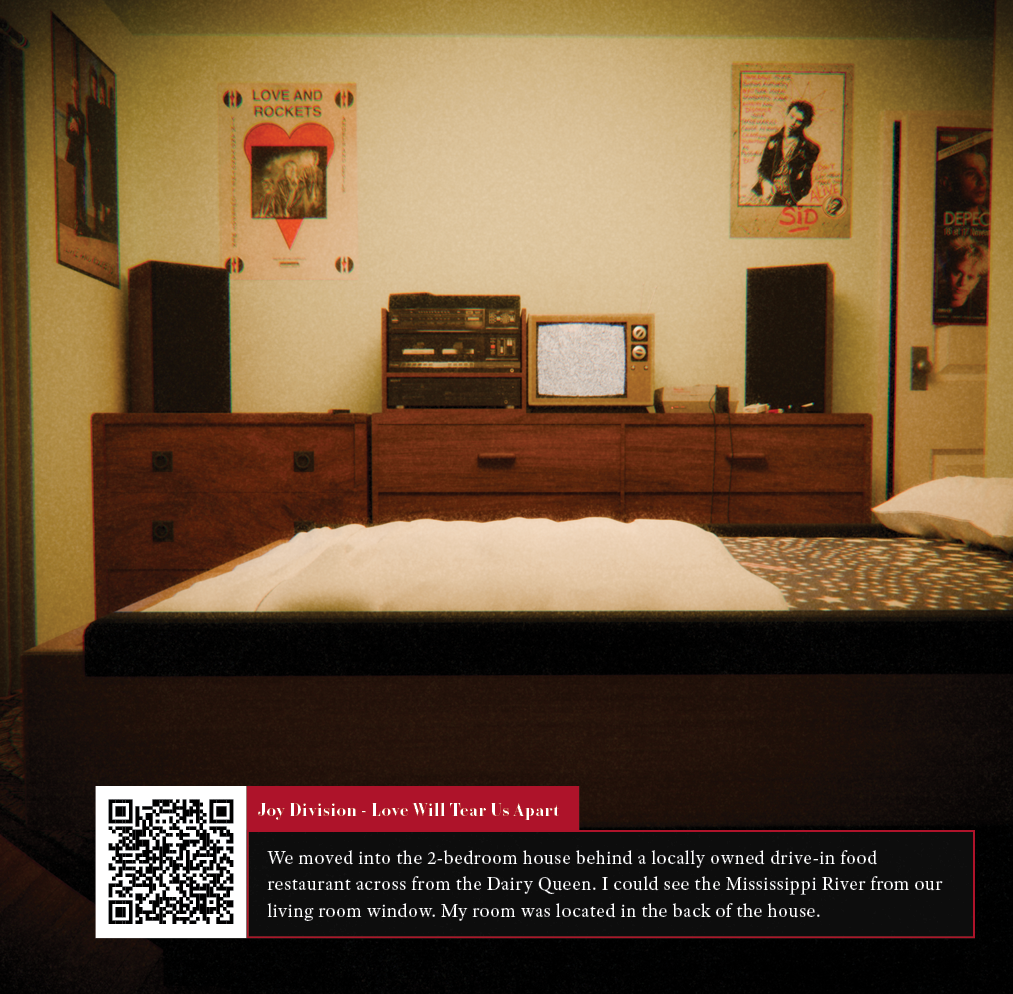
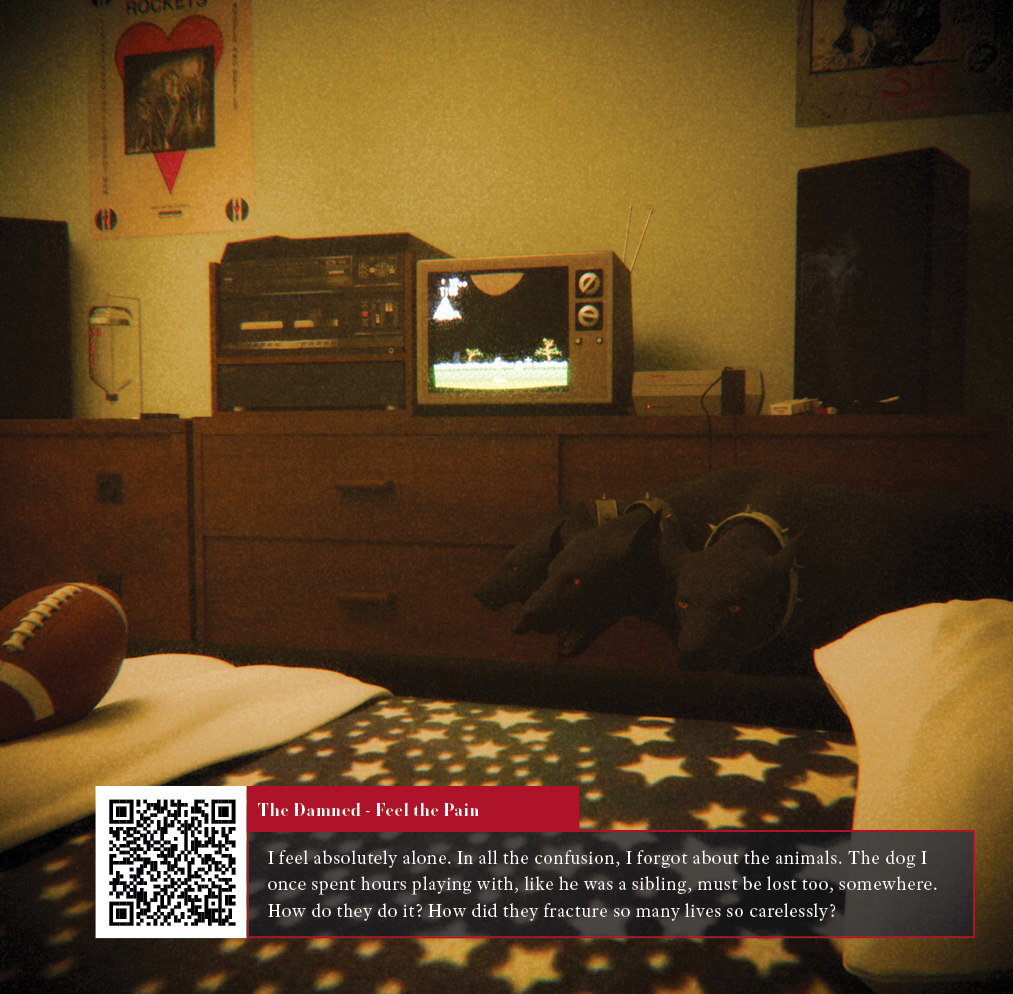
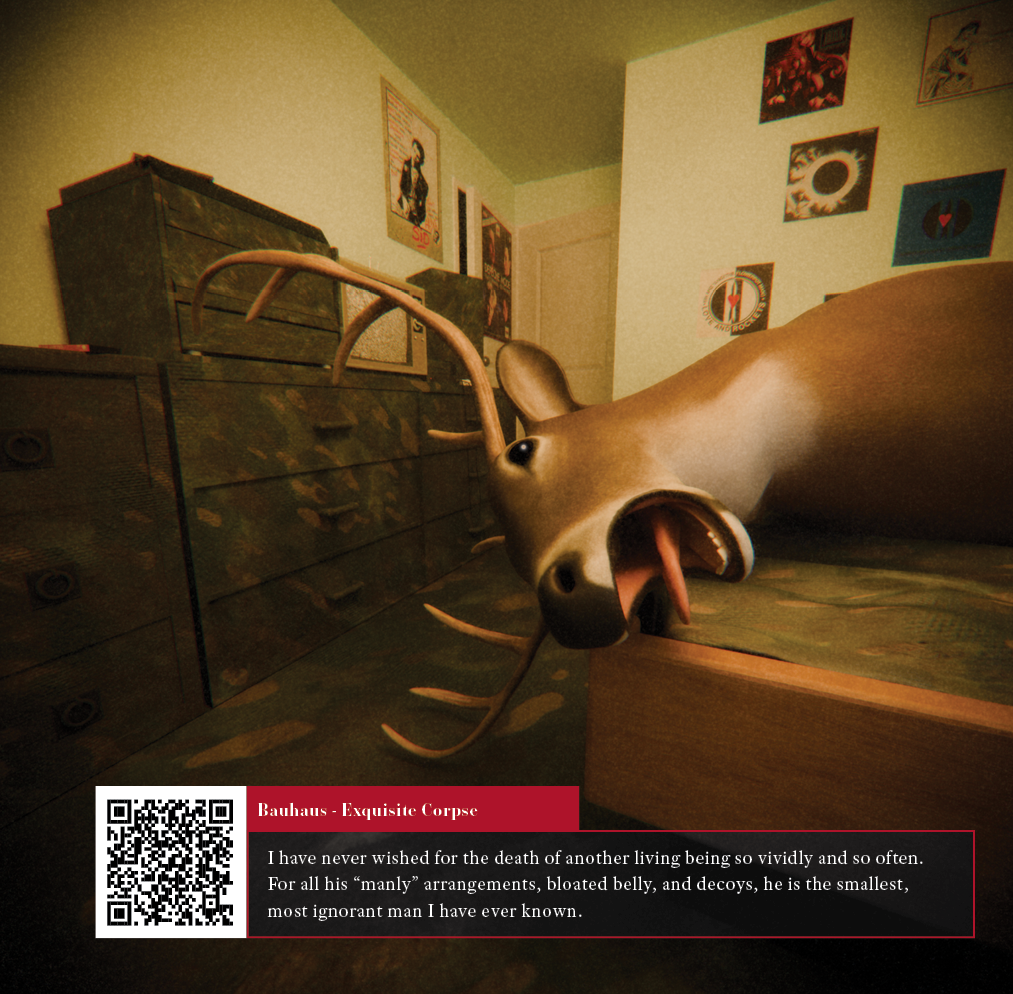
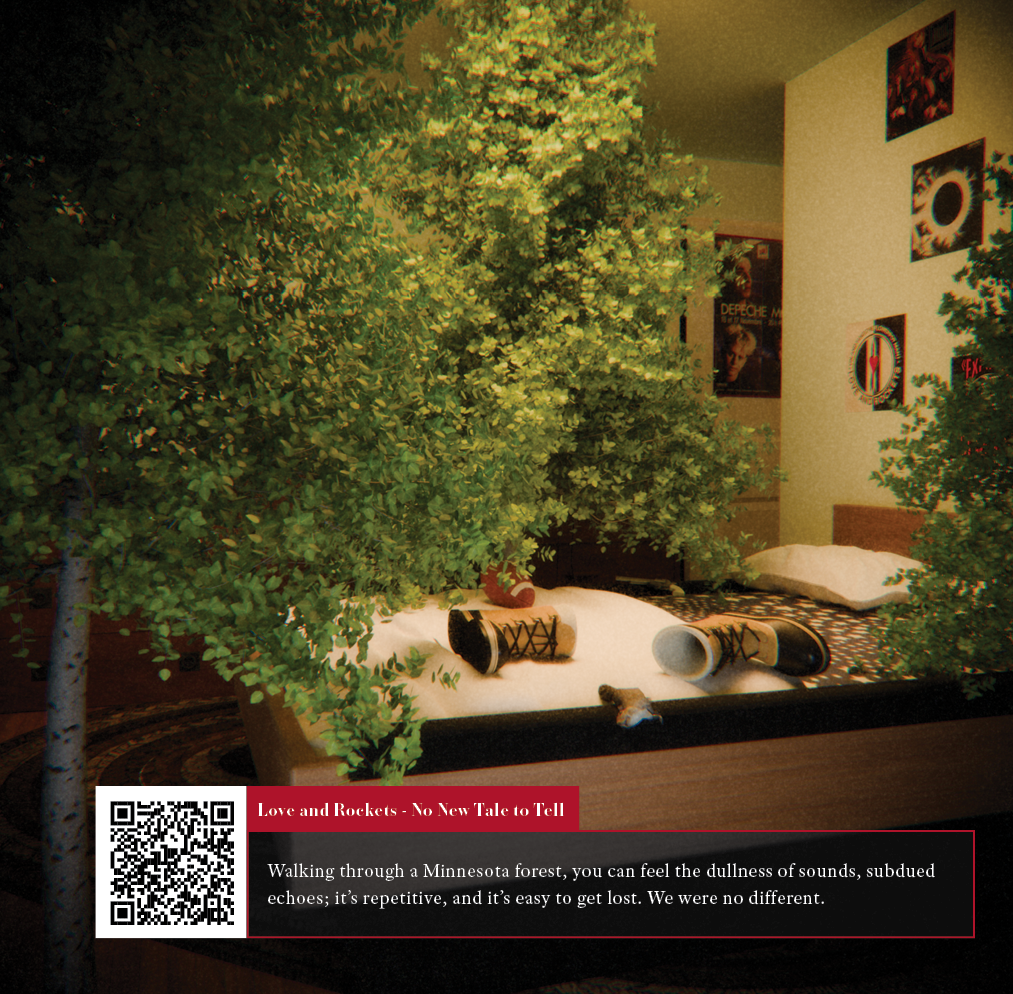
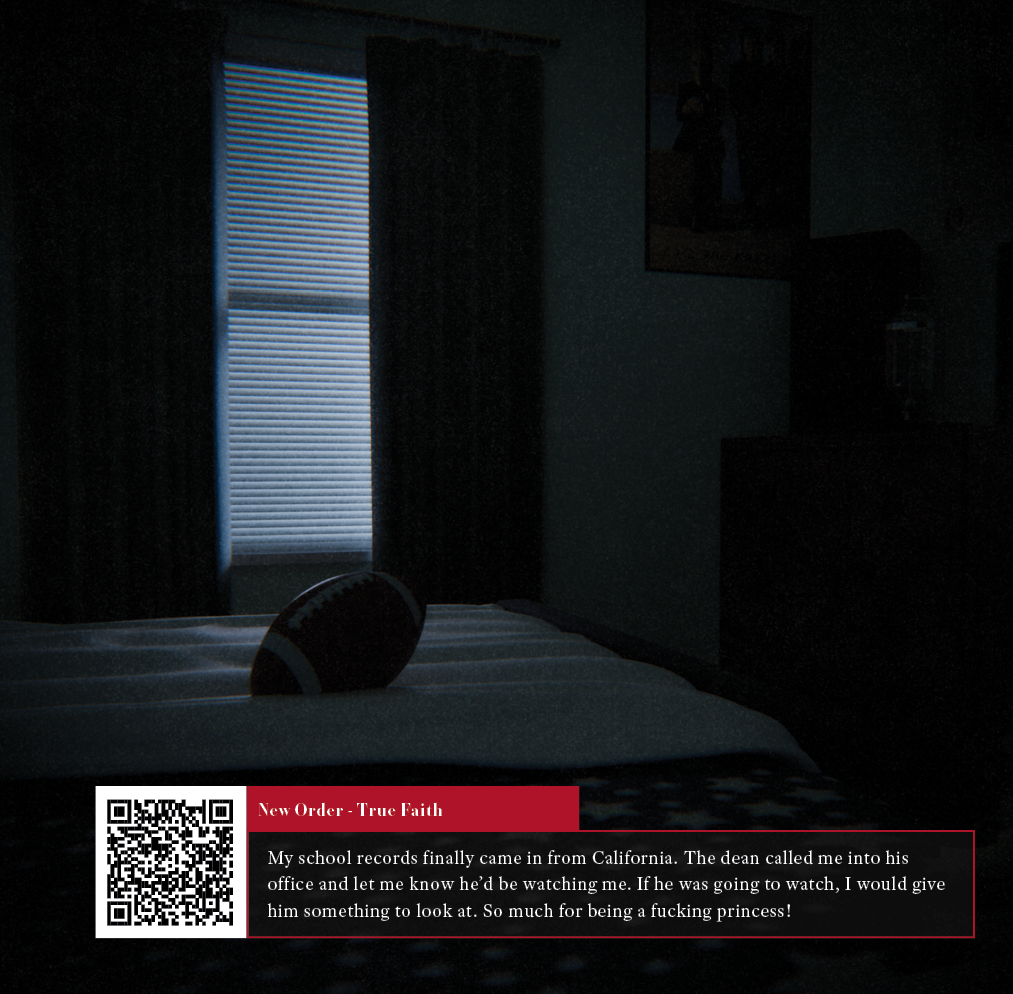
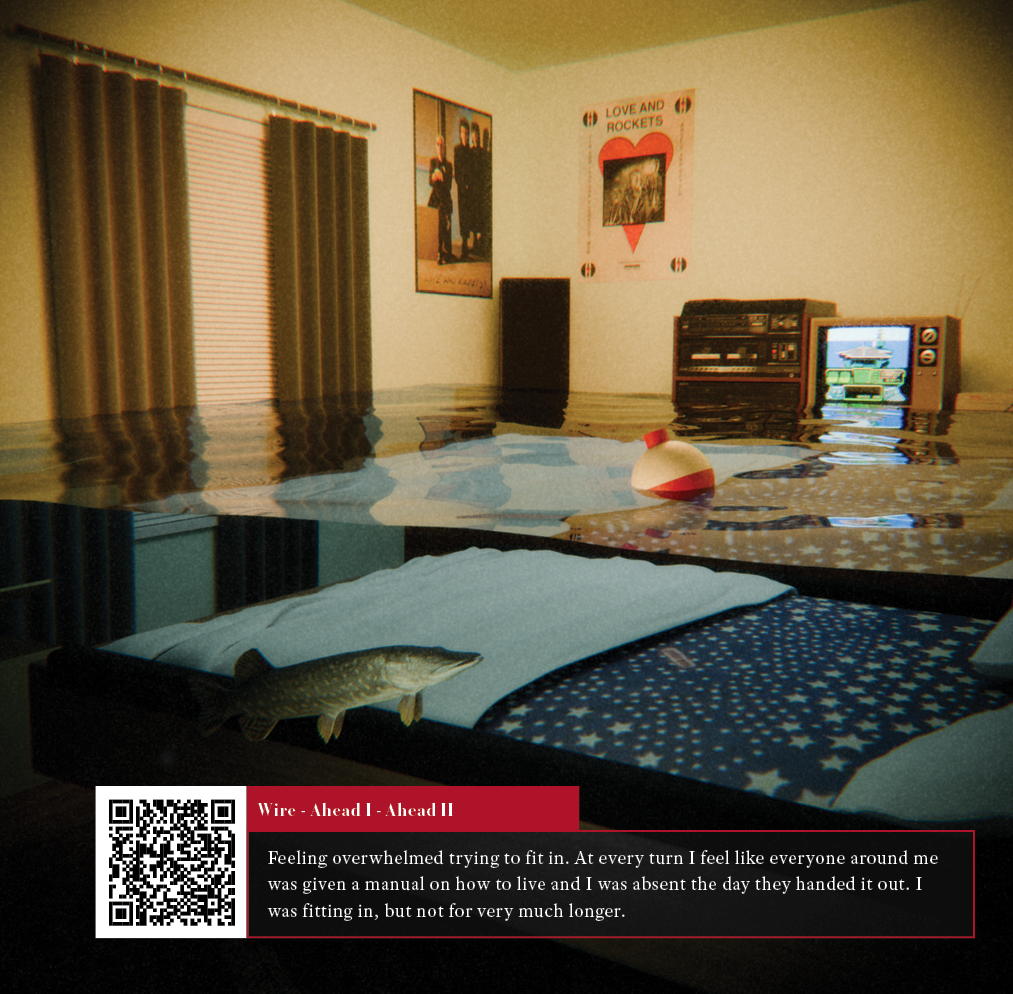
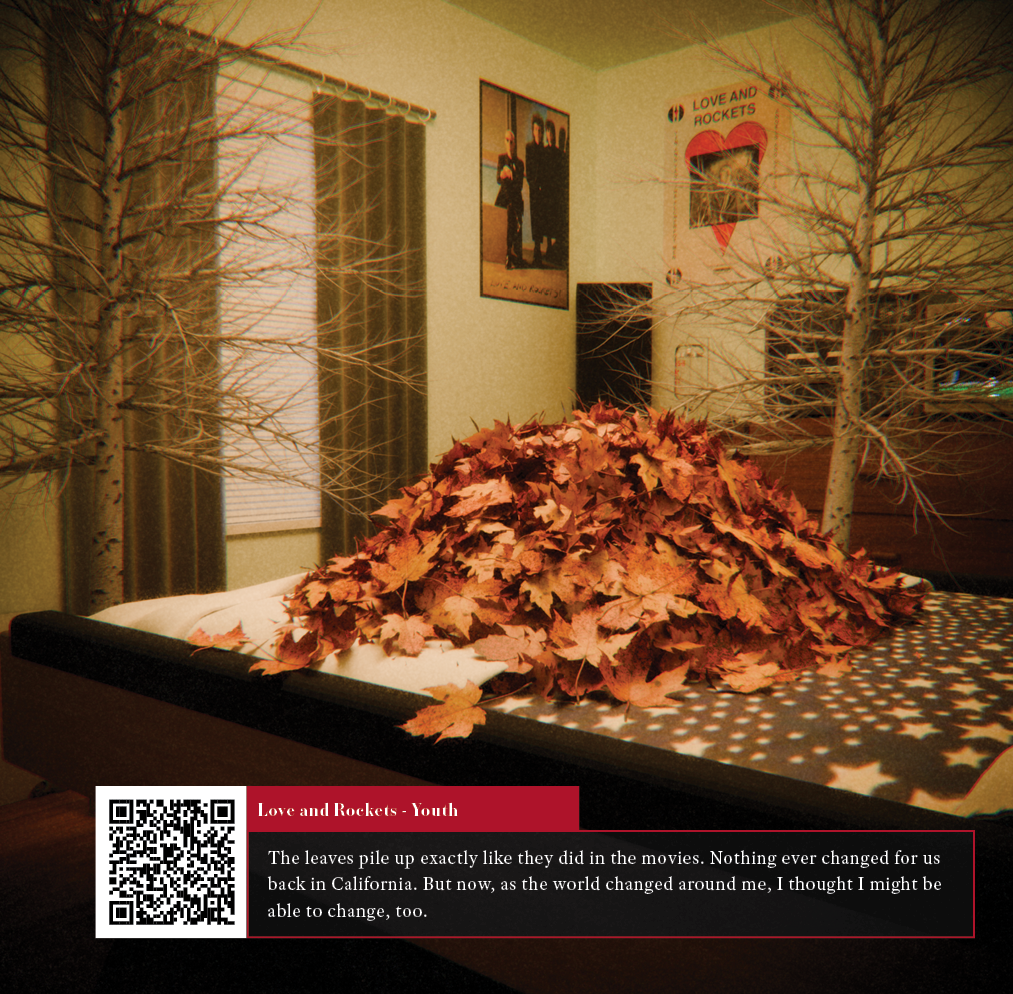
Seeking safety, I retreated to my new room at 208 Chippewa Street. I decorated my room with the music I obsessed over and thought this might be a good time to turn over a “new leaf”. For the first time, I was going to try to “fit in,” and the following is a pseudo reconstruction of that time.
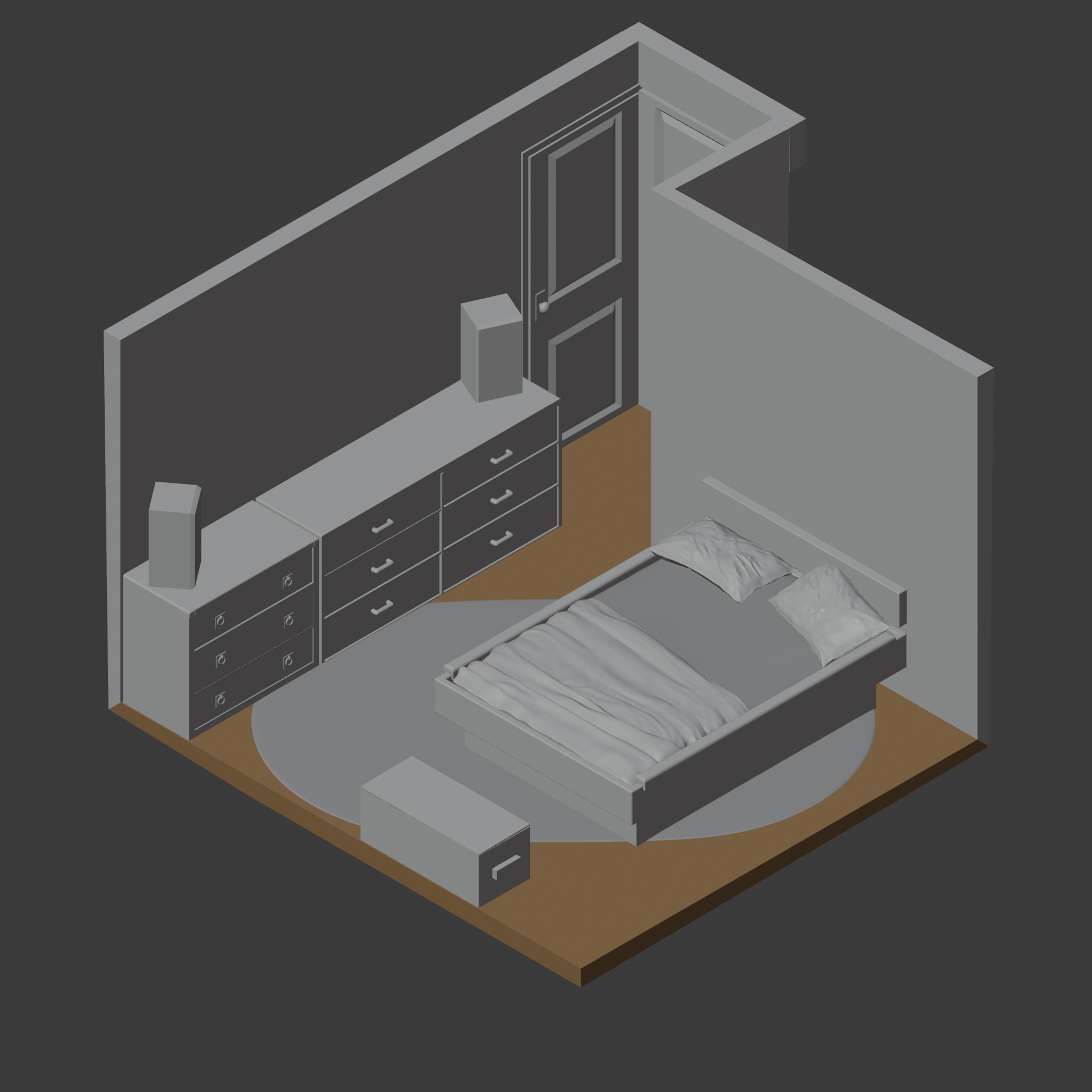
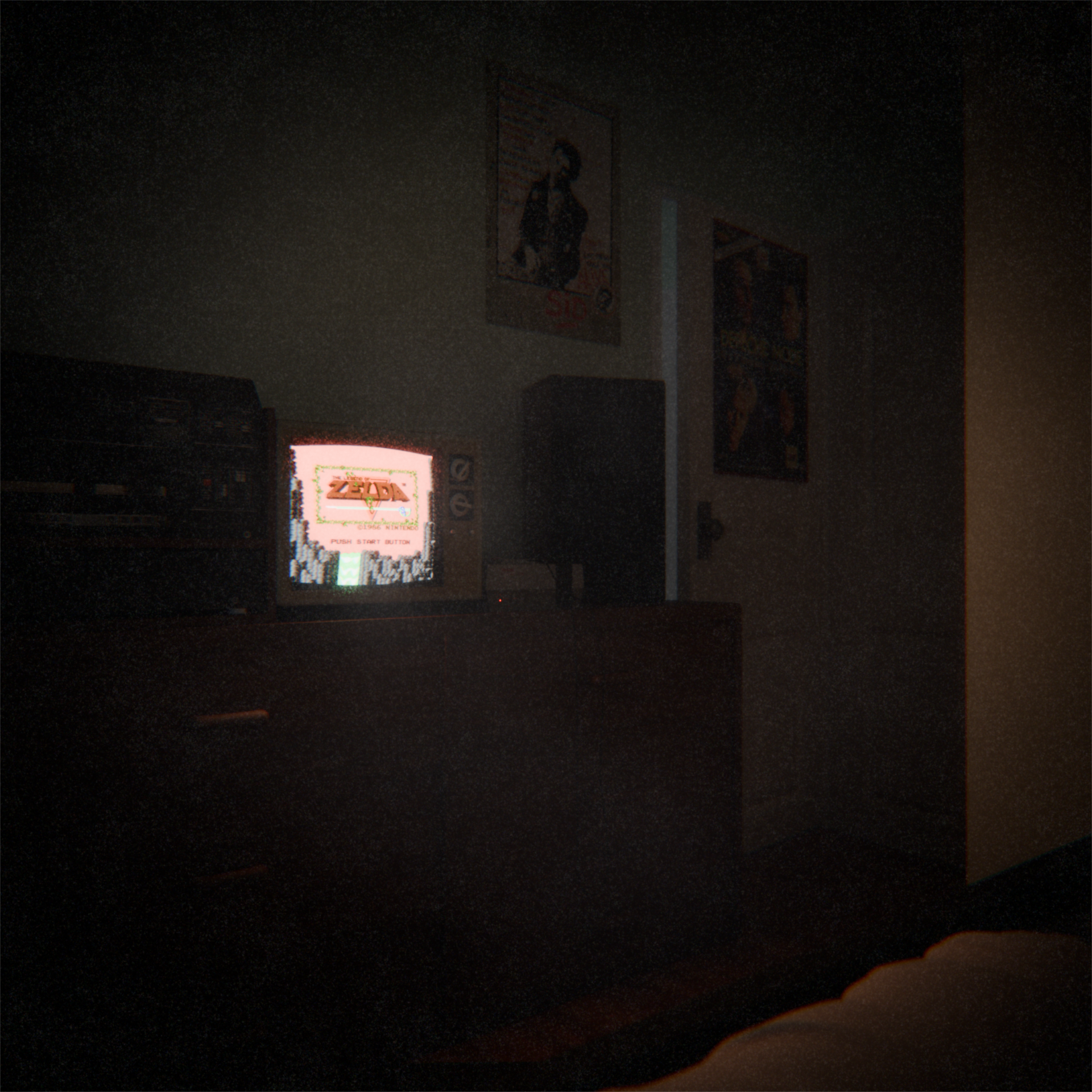
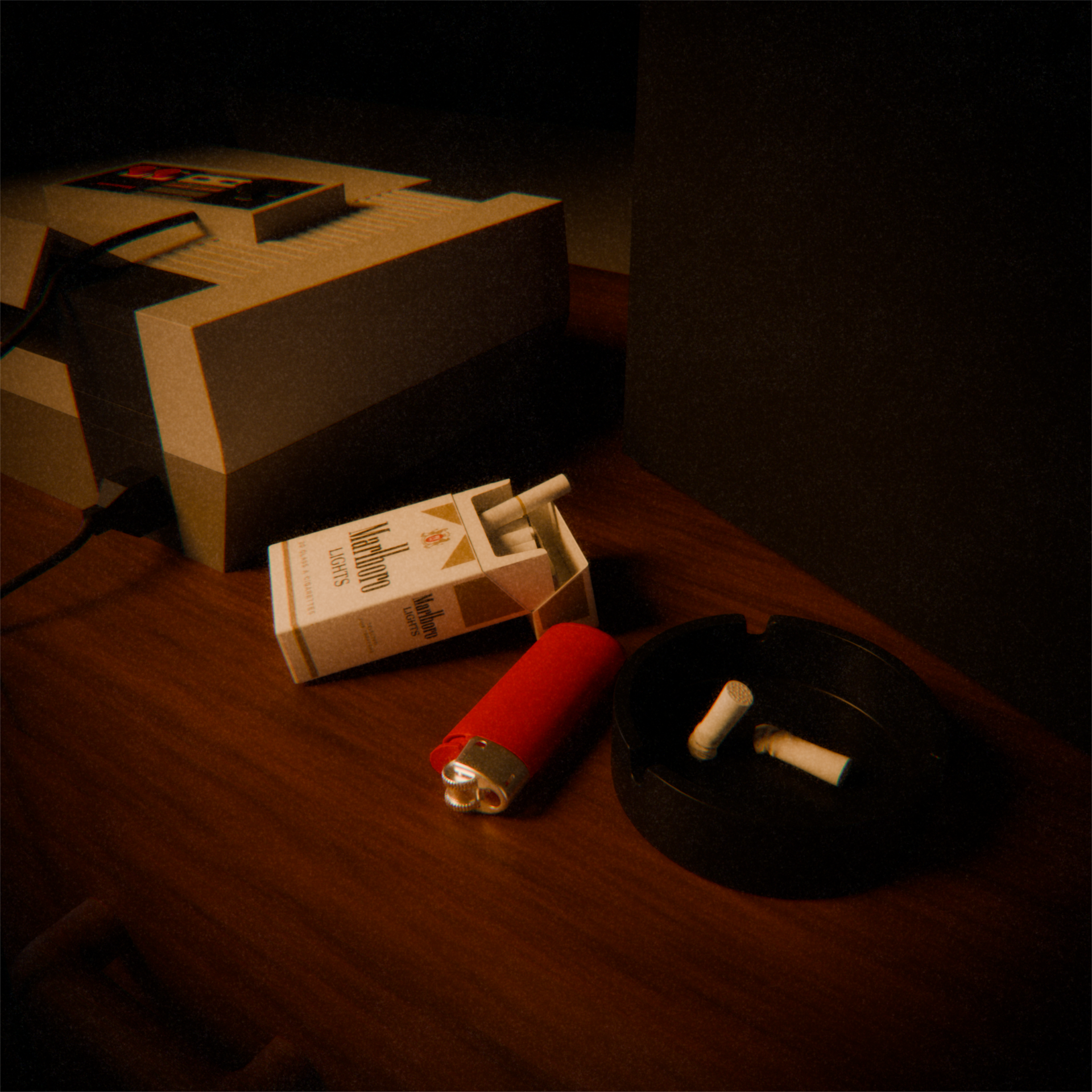
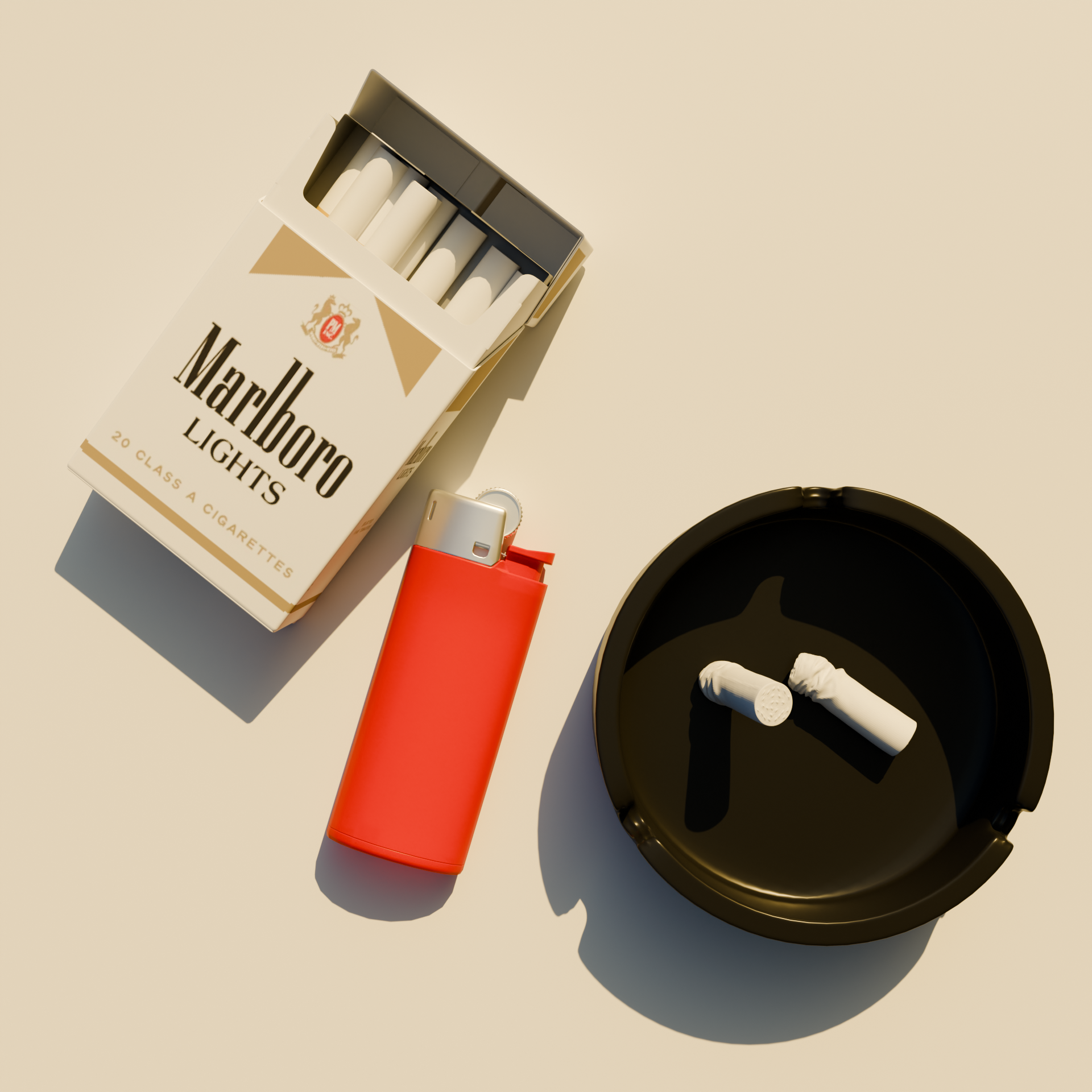
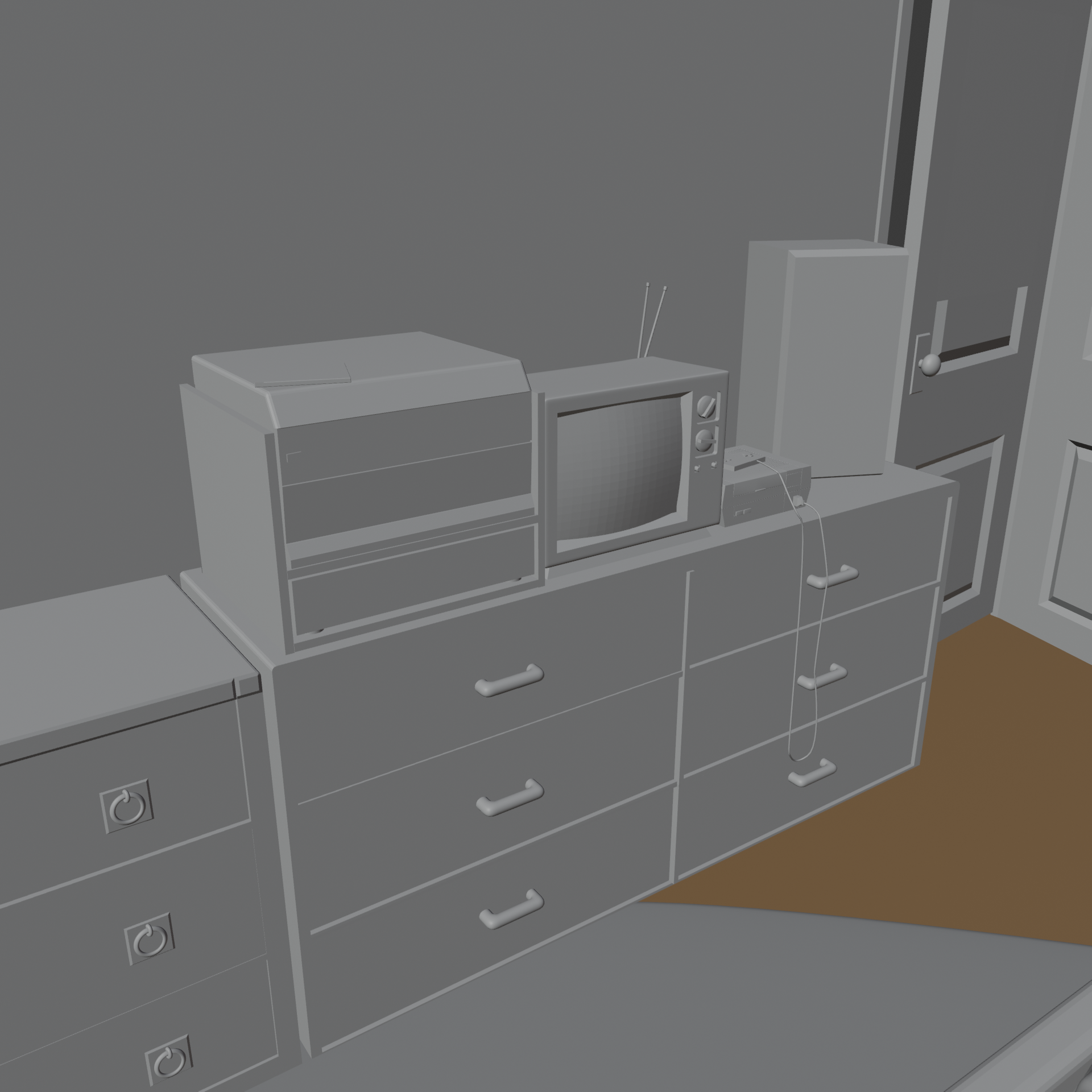
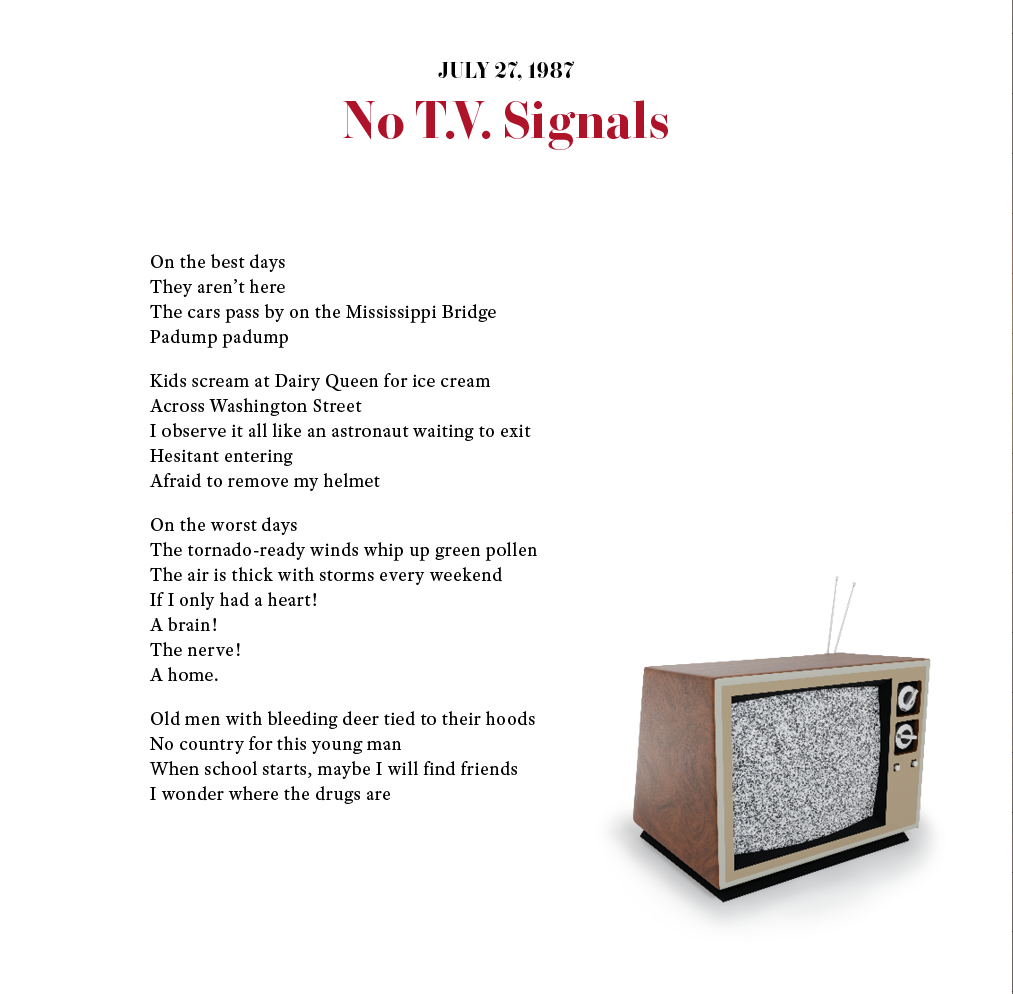
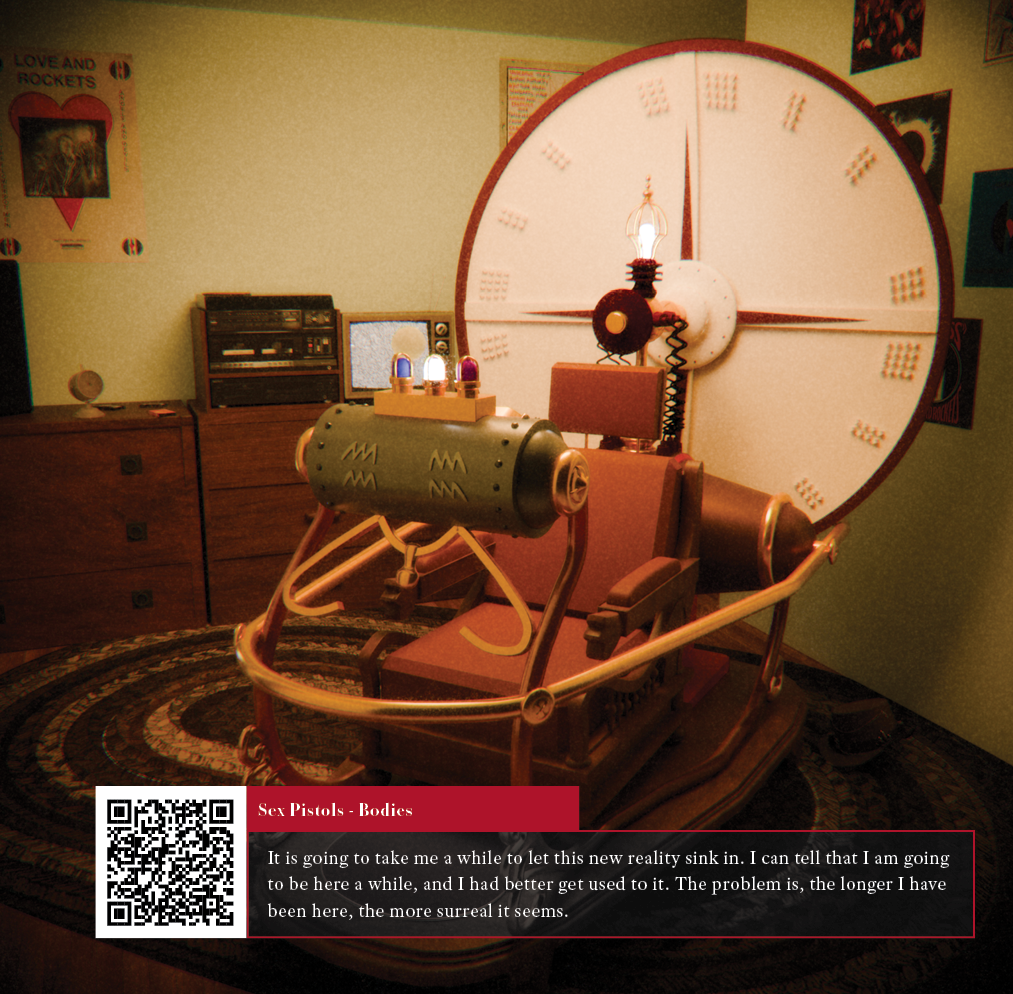
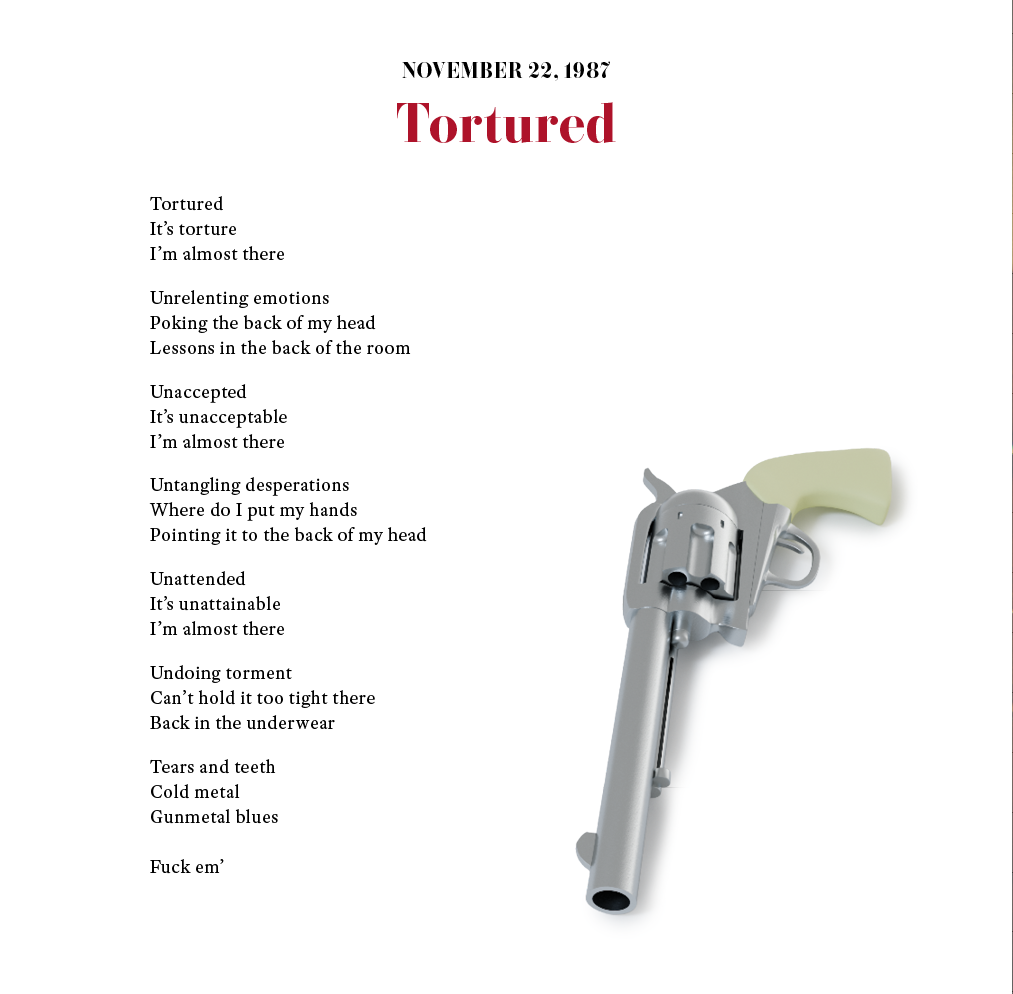
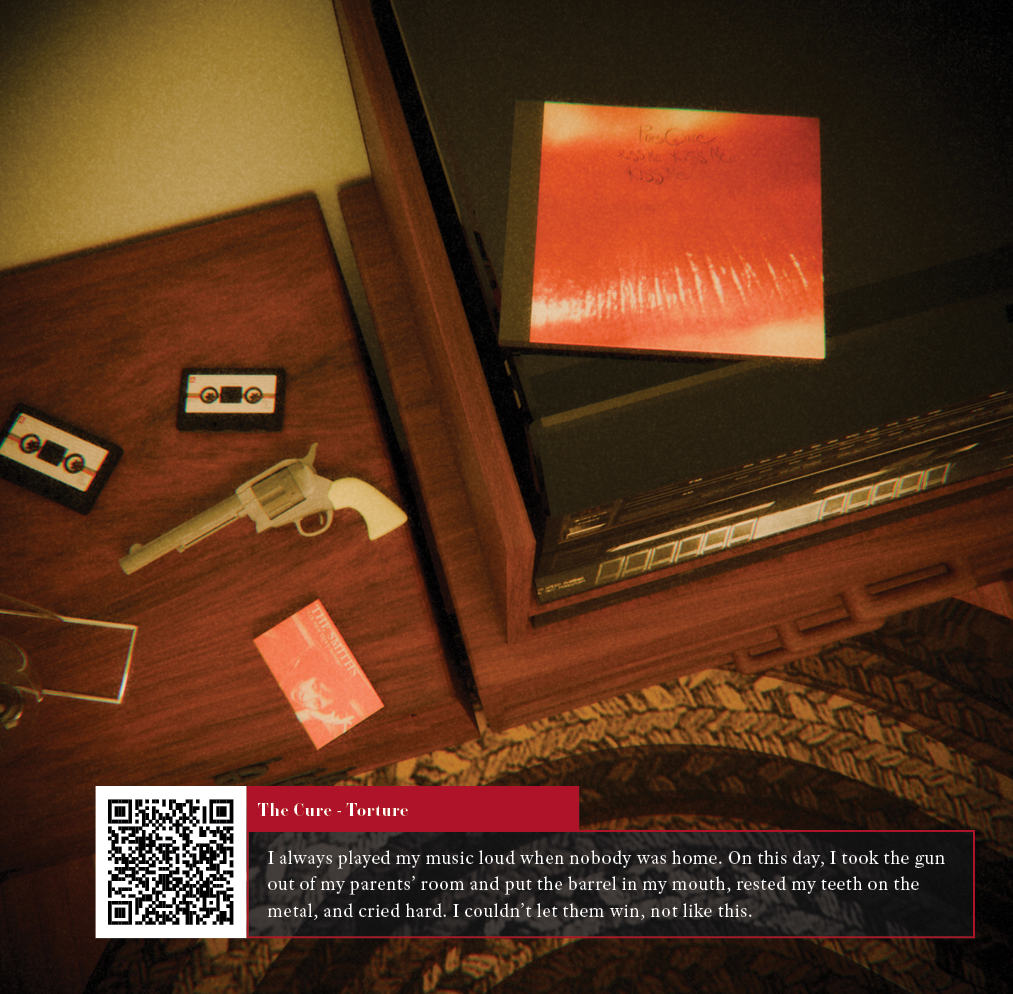
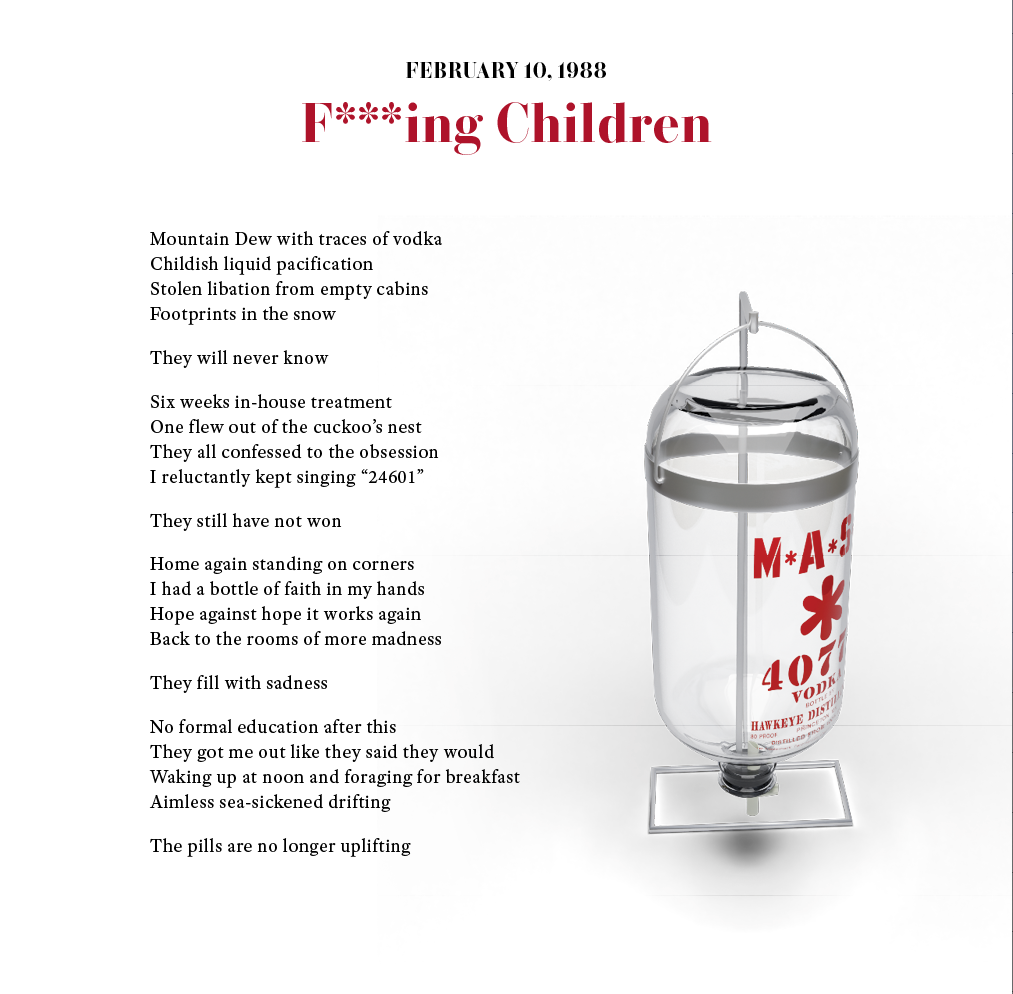
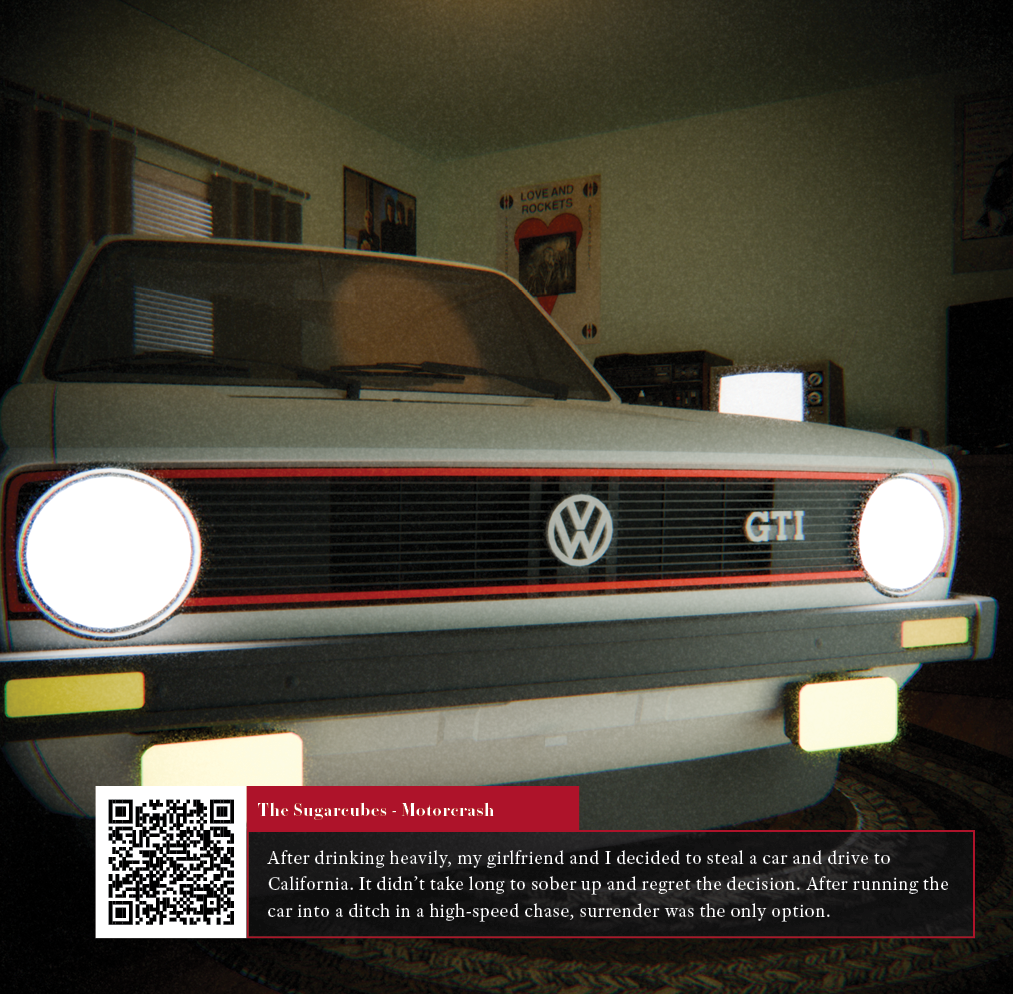
Using Blender3D (with no AI) and other digital tools, I recreated my teenage room. I began illustrating and unarchiving the past with visuals, accompanying poetry, and links to relevant music of that time. I wrote from my teenage perspective to recover, uncover, and convey the emotions and struggles of my fifteen-year-old self.
I hope that after reading this, you will have greater empathy for children struggling to overcome their own dysfunctional family dynamics. Maybe you, like me, are looking to process and fully feel your own dysfunctional upbringing later in life. Whatever the case,
I hope this touches a part of you and reminds us that we all need a little more love, connection, and clarity.
Please read the afterword at the back of this book for further information and resources.
A Spotify Playlist “208 Chippewa Street - Circa 1987” has been created with all the music referenced in this book. Please feel free to listen while you read and view the following pages.
Interior Poetry and Illustrations
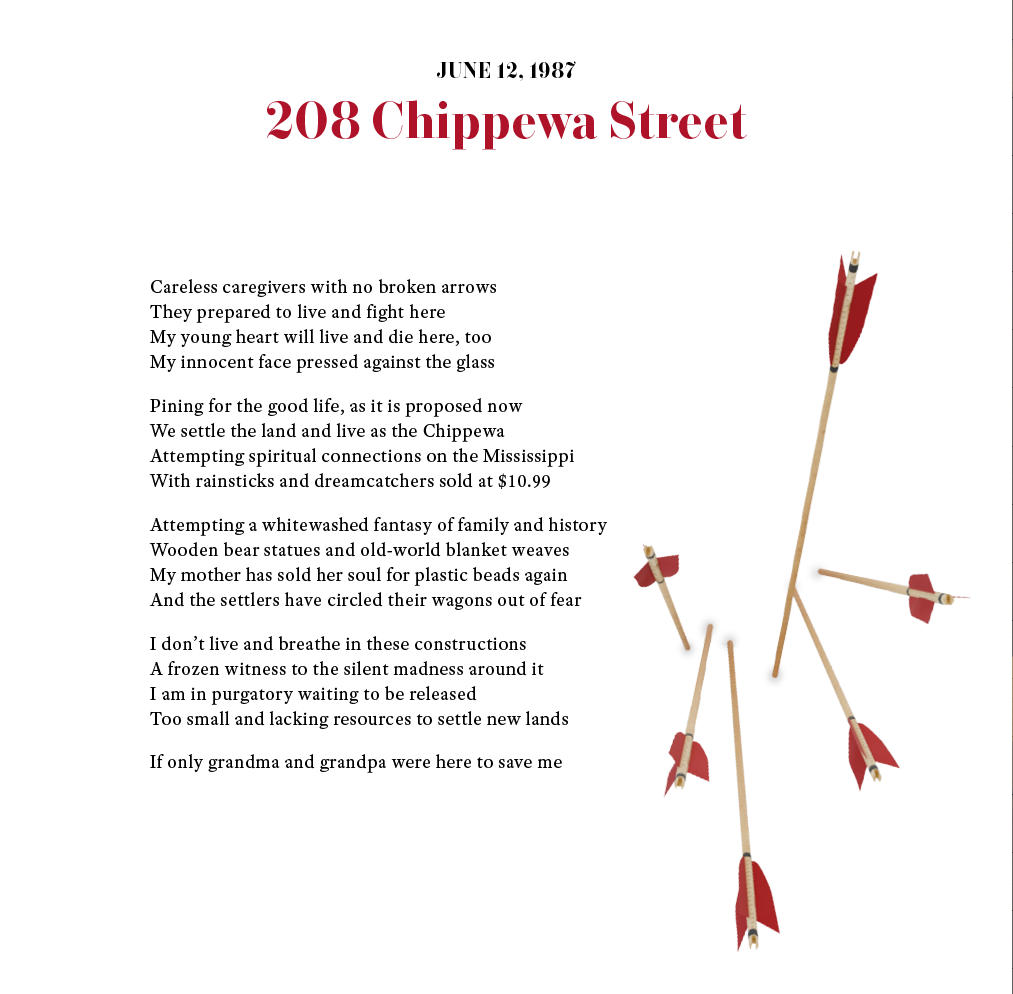


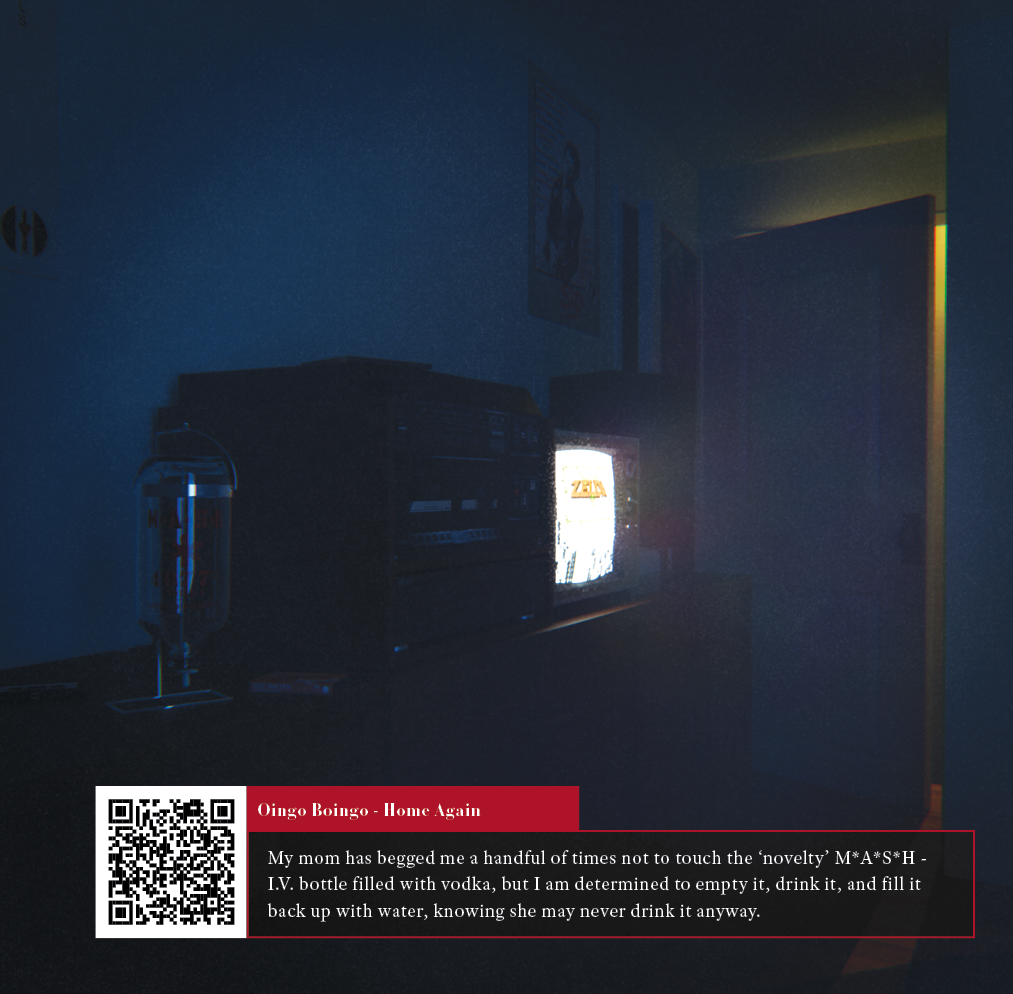

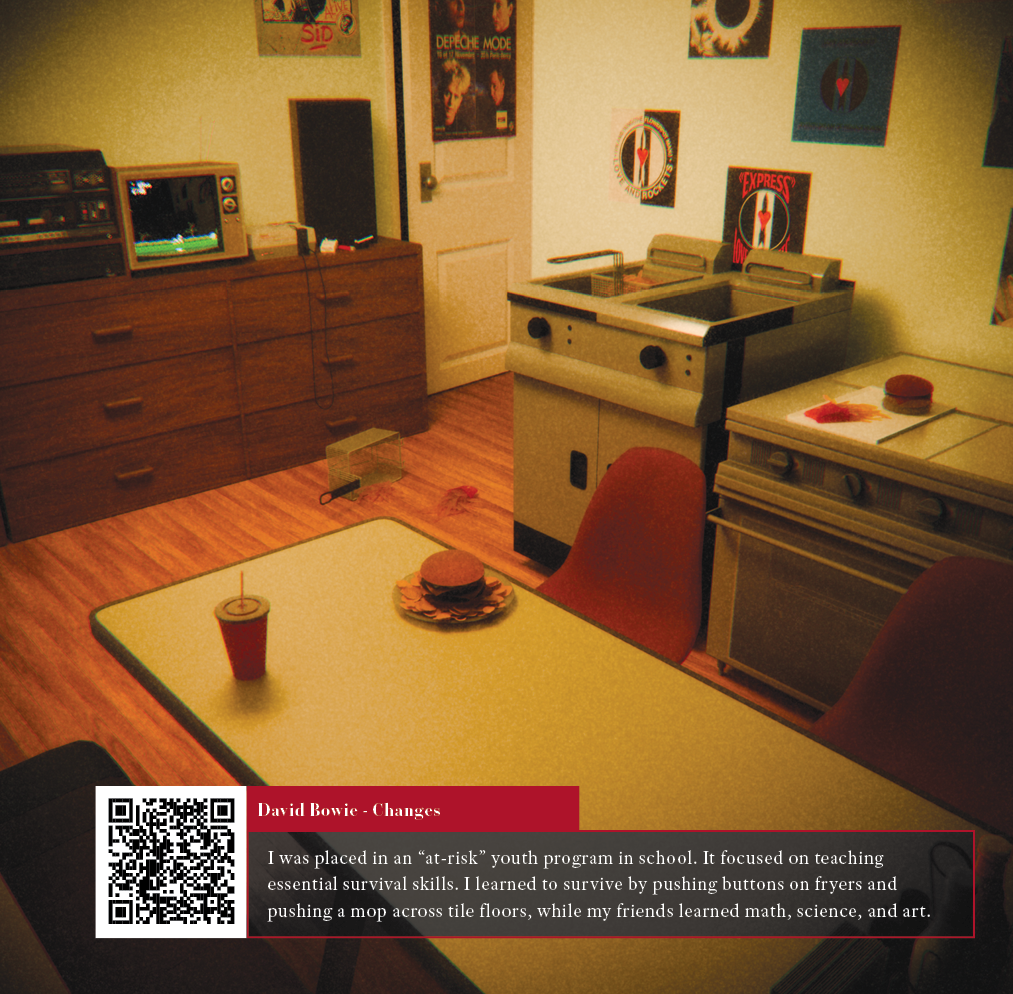
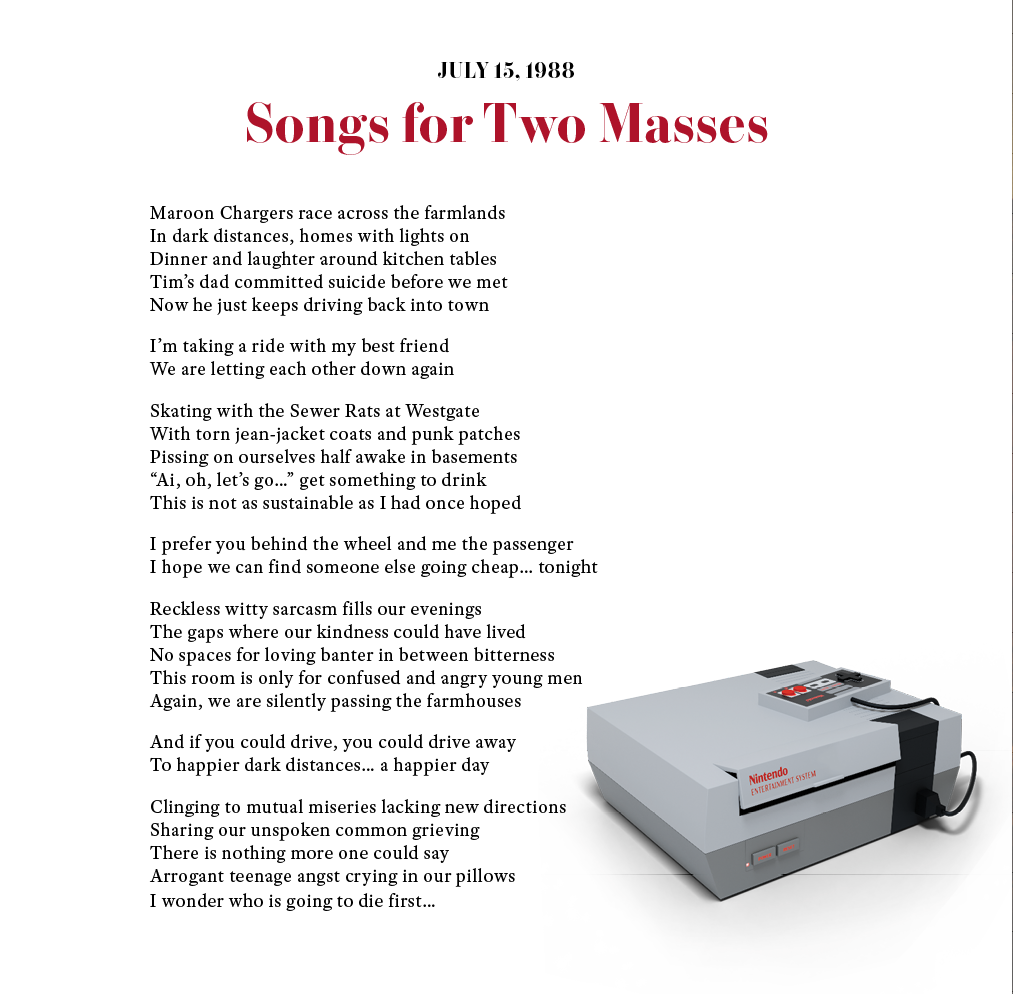
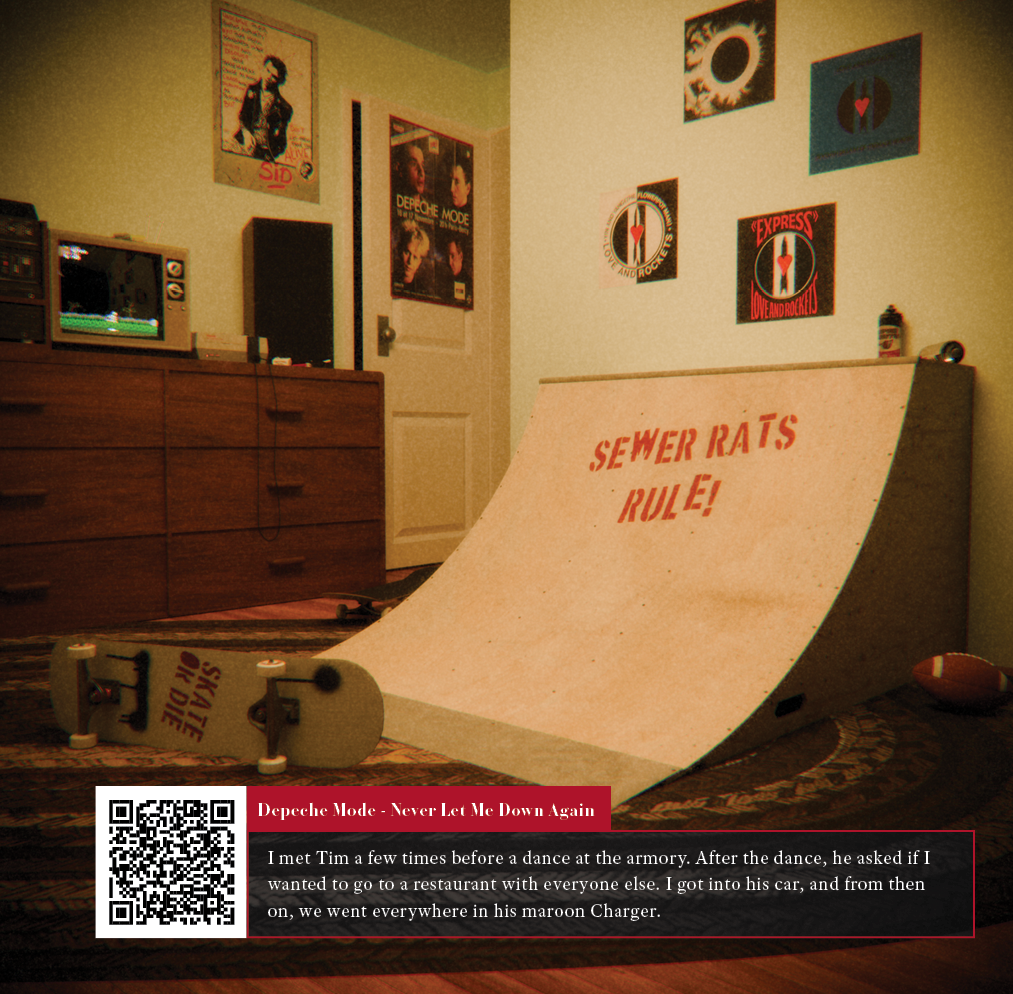
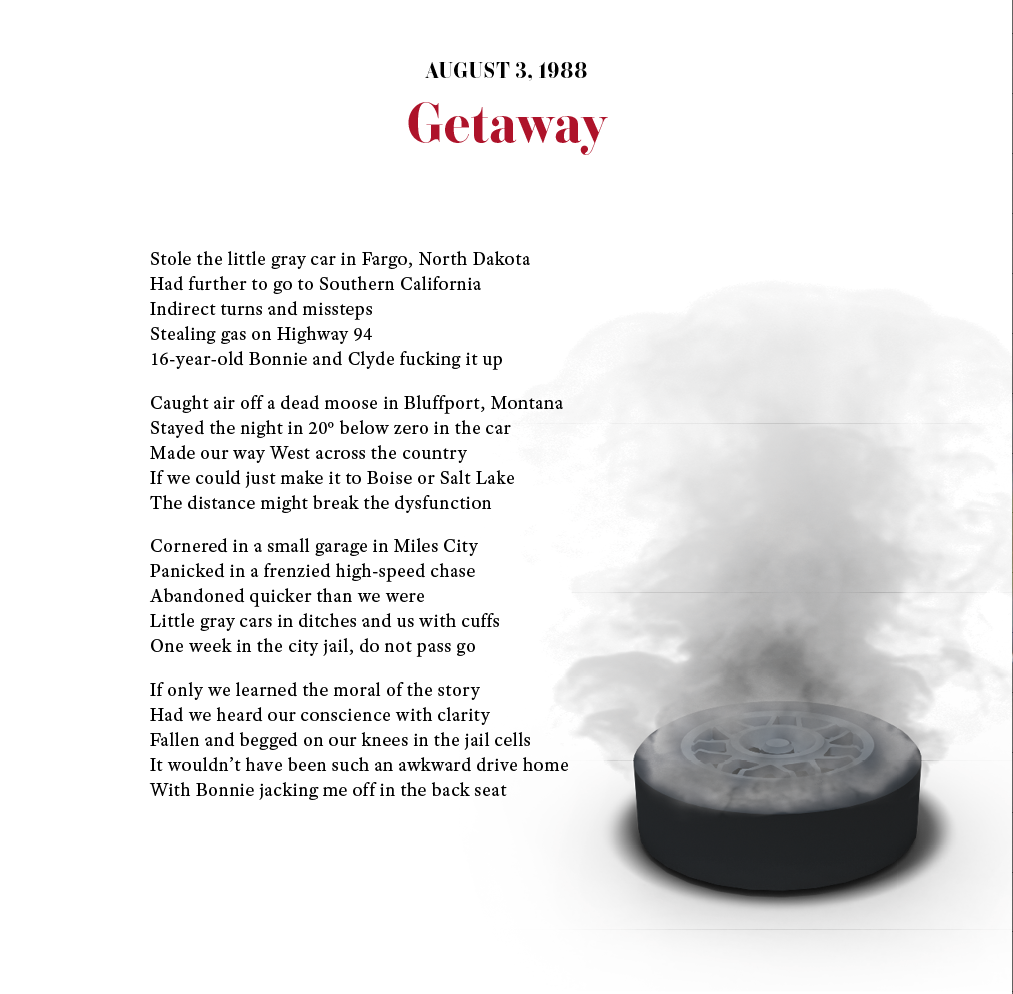
On Archaeology
When I was six or seven, my mother’s new husband told me to pick up my toys. After I forgot, as I wasn’t used to picking up after myself, my new stepfather decided to teach me a lesson and dismantled and broke my toys, then threw them in the garbage. I vowed never to have anything anyone could take from me again. For most of my young life, I hung a few pictures in my room; mostly, I decorated it with grade-school detention slips.
So, in late 1988, after cleaning my room toward the end of my time in Central Minnesota, I took pictures for “posterity”. Back then, we didn’t waste time photographing empty rooms; the general thought was, “Why take pictures unless people were in them?” Little did I know these pictures would become a useful tool for processing my childhood 40 years later.
The room you see in these photos had become an expression of my newly found identity. Every album, CD, cassette, video game, and skateboard held hours of my life from my time in Central Minnesota. Like most teenagers who begin to form an identity, my room became an outward representation of my inner life.
Throughout my life, I have often returned to this period in my mind. The images, sounds, and vivid flashbacks came with deep emotional reactions. Other periods were much worse: doing drugs, dealing drugs, stealing, hustling, being in trouble with the law, etc. Those periods were spent in survival mode, with little emotional attachment. This time involved less drug use, but contained much more emotional growth.
The child who experienced these thoughts, feelings, people, and moments in this room never got the chance to realize his potential. Uprooted again, his “toys” were packed into boxes and garbage bins, and it would be years before he felt safe enough to put another poster on his wall.
Afterword
I don’t know where or when I read it, but I remember a short, memorable command: “Relax, the worst has already happened.” As I internalized that statement, my entire childhood replayed in my mind. The physical abuse and abandonment, the emotional neglect, the torment and lack of safety I had with everyone in my young circle of influence came to the surface. I did everything I could to escape it as an adult, but once I built a safe, secure life, I had no idea how to live or “relax” in it.
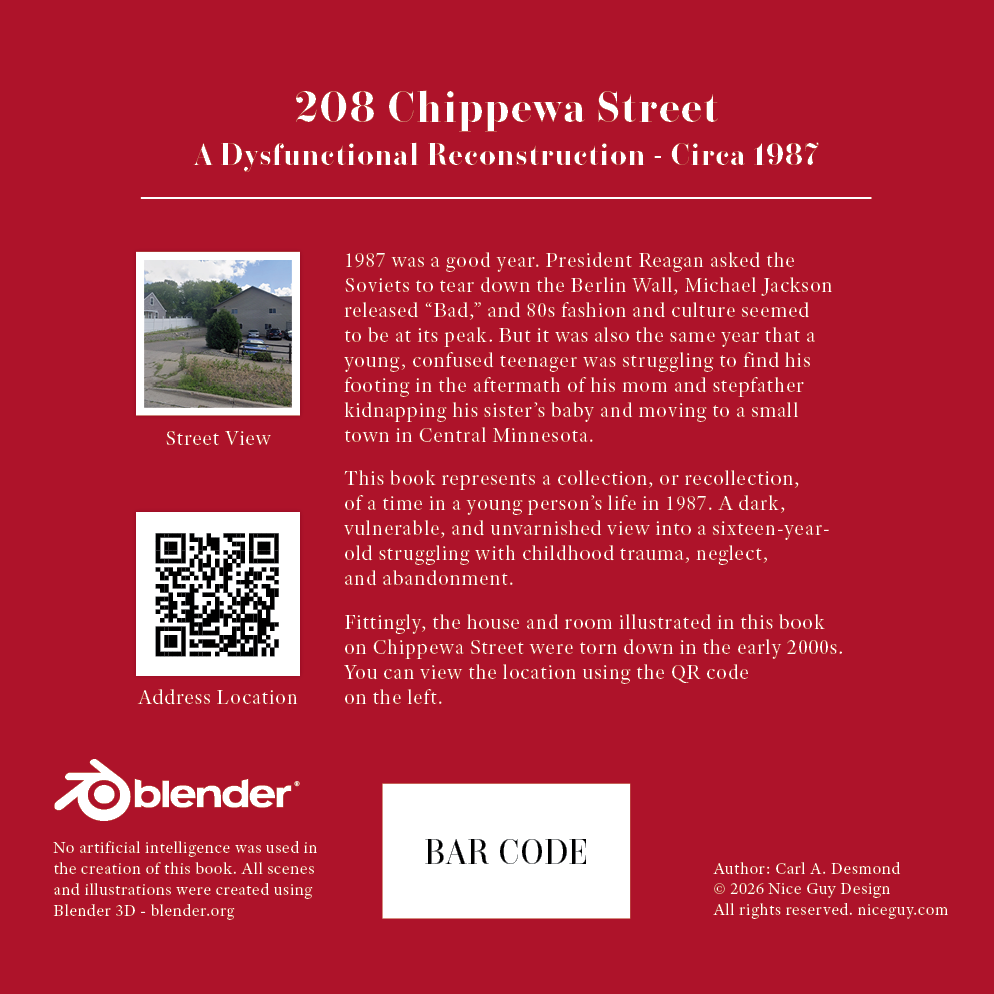
I was 54 years old when the strange urge to illustrate my childhood bedroom and write about my experience first came to mind. As a creative, I was exploring Blender3D and had enough experience to try it, but I had no clue why I had this thought; I just knew I had to do it. I put it off for a while, but that nagging, supportive inner voice urged me to do it more and more each day.
So I began…
I have been sober for 12 years as of this writing; I have attended recovery meetings for the majority of this time, and also frequented meetings on family dysfunction and understanding the inner family system. I have read various books on recovery, explored religions, philosophies, and attended therapy sessions. Each time I have explored a new topic or area, I have gained new insights into myself. So, deciding to explore my past was nothing new, but this time felt different. I felt that I might unarchive something deeper and more meaningful in this illustrative process. I discovered that a full remembrance makes room for a full healing. And maybe a few more moments to learn how to relax.
As I conclude this book post, I encourage you to seek your own full remembrance, and if you need additional help, here are a few
helpful resources:
Suicide & Crisis Lifeline - Dial 988
National Alliance on Mental Health - 1.800.950.6264 - nami.org
SAMHSA’s National Helpline - 1.800.662.4357 - samhsa.gov
National Child Abuse Hotline - 1.800.422.4453 - childhelp.org
National Runaway Safeline - 1.800.786.2929 - 1800runaway.org
Trevor Project Lifeline - LGBTQ+ - 1.866.488.7386 - thetrevorproject.org